If you’ve been out and about these two weeks, you may have noticed that everyone around Durham seems to have a red flower affixed to their coats. You may have been in town when a parade of soldiers passed by Saddler Street and the market center, into Claypath and Millenium Square. You may have even heard the trumpets on Wednesday morning at 11:00 if you were in college at that time. Most of you would already know that they represent the Act of Remembrance, but have you ever wondered: why do we do this? What special significance do these ceremonies hold? In this article, we’ll unpack what the Act of Remembrance is, its rich history, and why we still commemorate it in this present day.
The Act of Remembrance is a solemn ceremony that commemorates the end of World War I in 1918. It’s typically hosted on the 11th hour of the 11th day of the 11th month every year. While it was originally created to honor those who laid their lives for the Great War, it has since been used to remember the seriousness and casualties of all wars preceding and succeeding WWI.
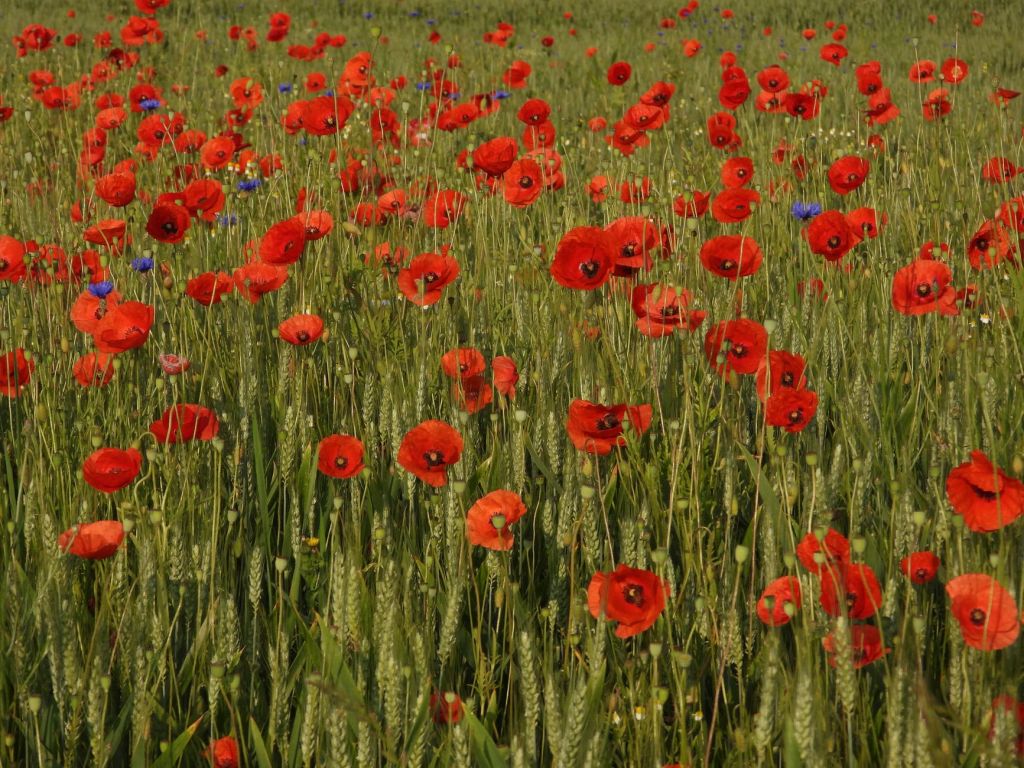
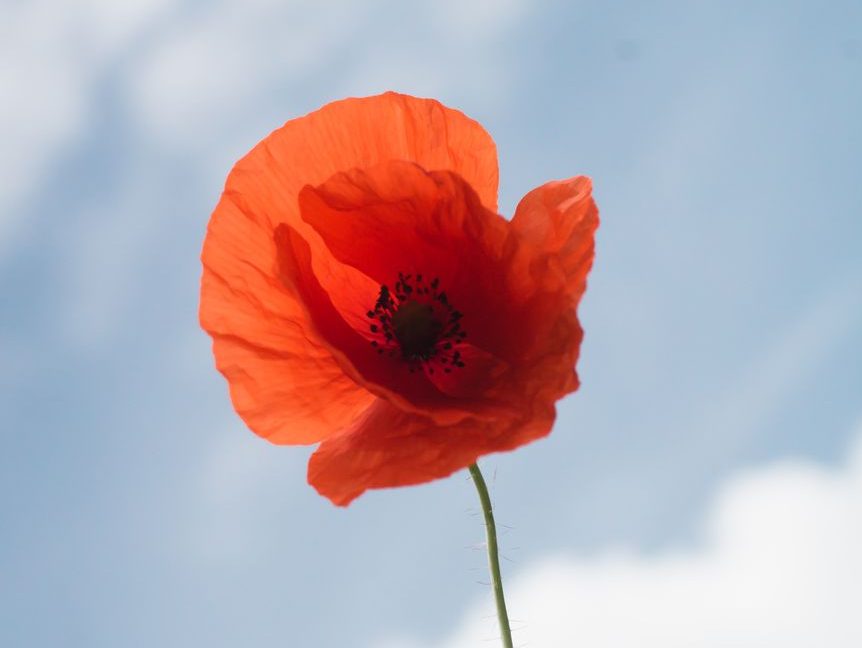
This all started with Canadian doctor Lieutenant Colonel John McCrae’s war poem ‘In Flanders Fields,’ which described a field of poppies blooming in a site at Belgium where more than a million soldiers died in 1915. Inspired by his poem, American humanitarian Moina Michael and war effort fundraiser Anna Guérin campaigned to make the poppies a symbol of remembrance, which received a highly popular reception. The Royal British Legion had even ordered a million poppies to be purchased from Anna Guérin and a further eight million poppies to be manufactured in 1921! Ever since then, the poppy has remained an enduring symbol of the cost of wars and conflicts on civilians and soldiers alike.
The link to the war poem ‘In Flanders Fields’ is here for your reference: https://www.britishlegion.org.uk/get-involved/remembrance/in-flanders-field
The Act of Remembrance is a solemn ceremony that marked the end of World War I in 1918
To learn about what a remembrance ceremony entails, I asked Hill Chaplain Reverend Fiona Hill to provide a rundown of a typical Act of Remembrance. Here is a breakdown of a typical service:
- Words of introduction
- Laying of poppy wreath
- Reading 1: The Exhortation
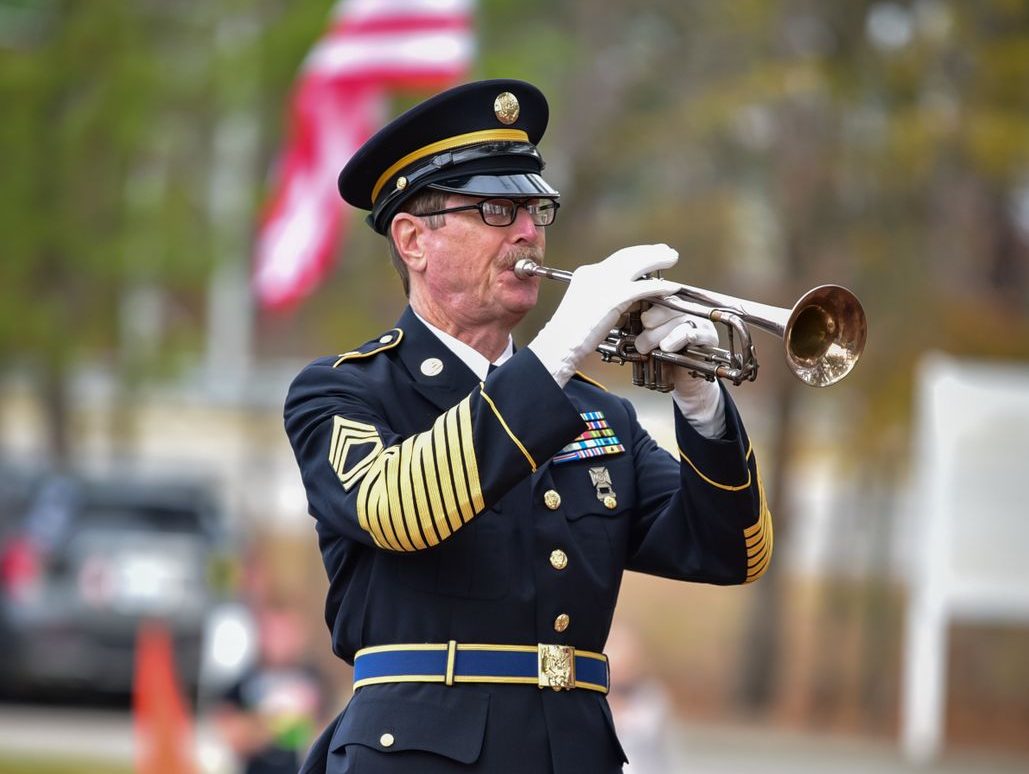
- The Last Post + 2 mins of silence + Reveille
- Reading 2: The Kohima Epitaph
The Exhortation is taken from the fourth stanza of the poem ‘For the Fallen,’ written by Laurence Binyon in 1914 to commemorate the high number of casualties in WWI, while the Kohima Epitaph is taken from an inscription on Kohima War Cemetery in India, written by John Maxwell Edmonds in 1944 to commemorate casualties in the Battle of Kohima in WWII. Together with the Last Post, they form a poignant ceremony that inspires us to reflect on the lasting legacies of war and its brutalities.
Together with the Last Post, they form a poignant ceremony that inspires us to reflect on the lasting legacies of war and its brutalities
At Durham, there are a lot of different ways that remembrance is commemorated, aside from the traditional Act of Remembrance. In Durham Market Place, a display of 16,386 poppies was installed by locals to remember the 16,386 soldiers of the Durham Light Infantry that lost their lives in both World Wars. At The Light, a new cultural exhibition centre in Durham, a permanent exhibit commemorating the journey of the Durham Light Infantry was created for visitors to experience their lives in war. And on Sunday 8th November 2026, representatives from the Armed Forces and the university attended Remembrance Sunday Service at Durham Cathedral, before marching down in the Durham City Remembrance Parade in honor of the service of the armed forces.
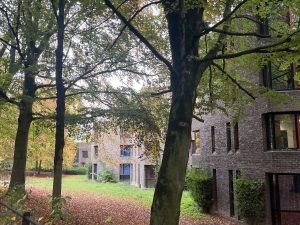
Trevs has also been involved in remembrance as well over the past two weeks. On Wednesday 4th November, Reverend Fiona hosted a poppy-making event in the Undercroft, giving students a chance to participate in remembrance through hands-on activity. The next week on Wednesday 11th November, Trevs and Grey College met in the back lawn of Trevs for a traditional Act of Remembrance, led by Reverend Fiona, Grey College Choral Scholars, both college representatives, and speakers from Trevs.
At Durham, there are a lot of different ways that remembrance is commemorated, aside from the traditional Act of Remembrance
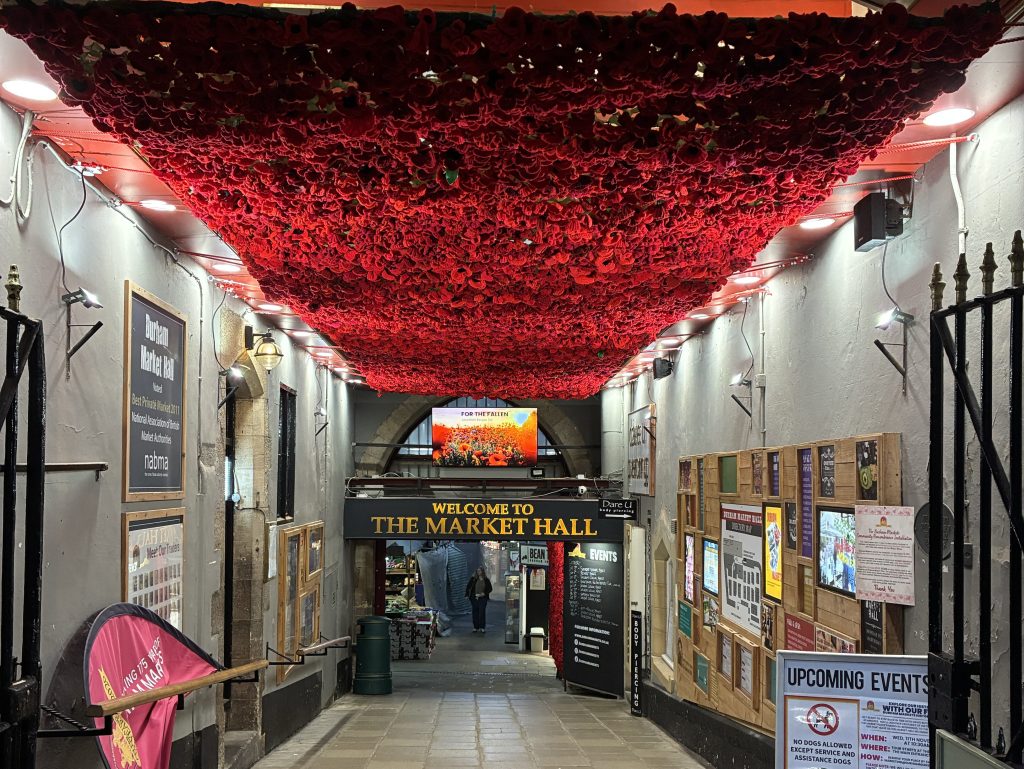
Image Credit: Jasper Yam
To end this article, here are some words from Reverend Fiona on the significance of remembrance:
“Whilst we are remembering the wars and conflicts of the past, an Act of Remembrance also reminds us that the world is not yet at peace, as there are still a number of wars and conflicts happening across the world. Another point to consider is that whilst some wars might officially be over, there are many people who are recovering from the conflict today. Further, if we forget history, how can we stop it from repeating itself? An Act of Remembrance might help us to remember the need for peace.”
An Act of Remembrance also reminds us that the world is not yet at peace, as there are still a number of wars and conflicts happening across the world
So at this time next year, when you hear the Last Post, please put down whatever you are doing in the moment. Participate in the Act of Remembrance by staying silent for two minutes, or until the Reveille sounds. Pay your respects to all the soldiers and families that sacrificed so much for our relative peace today. Remember the cost of wars to both civilians and soldiers alike. And most important, honour those who still serve to protect our nation from danger to this very day.
Image Credit: Jean Marc Pampuch via Pexels
Royal British Legion Riders Branch. The Act of Remembrance. https://rblr.org.uk/main/the-act-of-remembrance/
The Light. (2026). We Are The Durhams: The Durham Light Infantry Exhibition. https://thelightdurham.org.uk/article/35670/We-Are-The-Durhams-The-Durham-Light-Infantry-Exhibition
Imperial War Museums. Why We Wear Poppies On Remembrance Day. https://www.iwm.org.uk/history/first-world-war/remembrance/poppies
Skitt, L. (2025, November 7). The Last Post explained and the vital role it plays during Remembrance. British Forces Broadcasting Service. https://www.forcesnews.com/heritage/history/last-post-and-vital-role-it-plays-during-remembrance
City of Durham Parish Council. (2026). Join Durham’s Remembrance Sunday commemorations on 8th November 2026. https://cityofdurham-pc.gov.uk/event/join-durhams-remembrance-sunday-commemorations-on-8th-november-2026/
Durham Cathedral. (2026, October 12). Remembrance Weekend 2026. https://www.durhamcathedral.co.uk/articles/remembrance-weekend-2026
Durham OnAir. (2026, October 22). More than 30,000 handmade poppies created for Durham Markets’ tribute to fallen DLI soldiers. https://www.durhamonair.com/news/from-durham-onair/more-than-30000-handmade-poppies-created-for-durham-markets-tribute-to-fallen-dli-soldiers/
Comerford, R. (2024, November 10). Remembrance: Why do we wear poppies? BBC News. https://www.bbc.co.uk/news/articles/ce8d6415137o


Leave a Reply