Introduction to Nature’s Well Series
It would be amiss if I didn’t include nature in the features section, considering how Durham is simply overflowing with it. This is especially true for Trevs, with our daily walk from college to lectures/city centre rich with colourful trees & leaves that change with the season, just like a piece of art that shifts with time. Research has also found that being in nature is positively correlated with wellness & health outcomes; perhaps that’s why Durham is often ranked high in student experience! I hope this series will leave you with a better appreciation of nature in Durham, or if not, at least you’ll know where the photogenic spots in Durham are!
Jasper Yam, Features Editor
The Botanic Gardens – the first item on a list that my professor told us to visit in Durham during Freshers’ Week. It’s filled with plants from all over the world, has a small café and gift shop, and the best thing of all: it’s free of charge for university students! For a student who prefers quiet contemplation in solitude over loud & energetic clubs, this was the perfect spot to spend a Saturday morning in. And so, in the early hours of the morning (when everyone was still resting from their Halloween nights out), I headed out to the Botanic Gardens for some tranquillity.
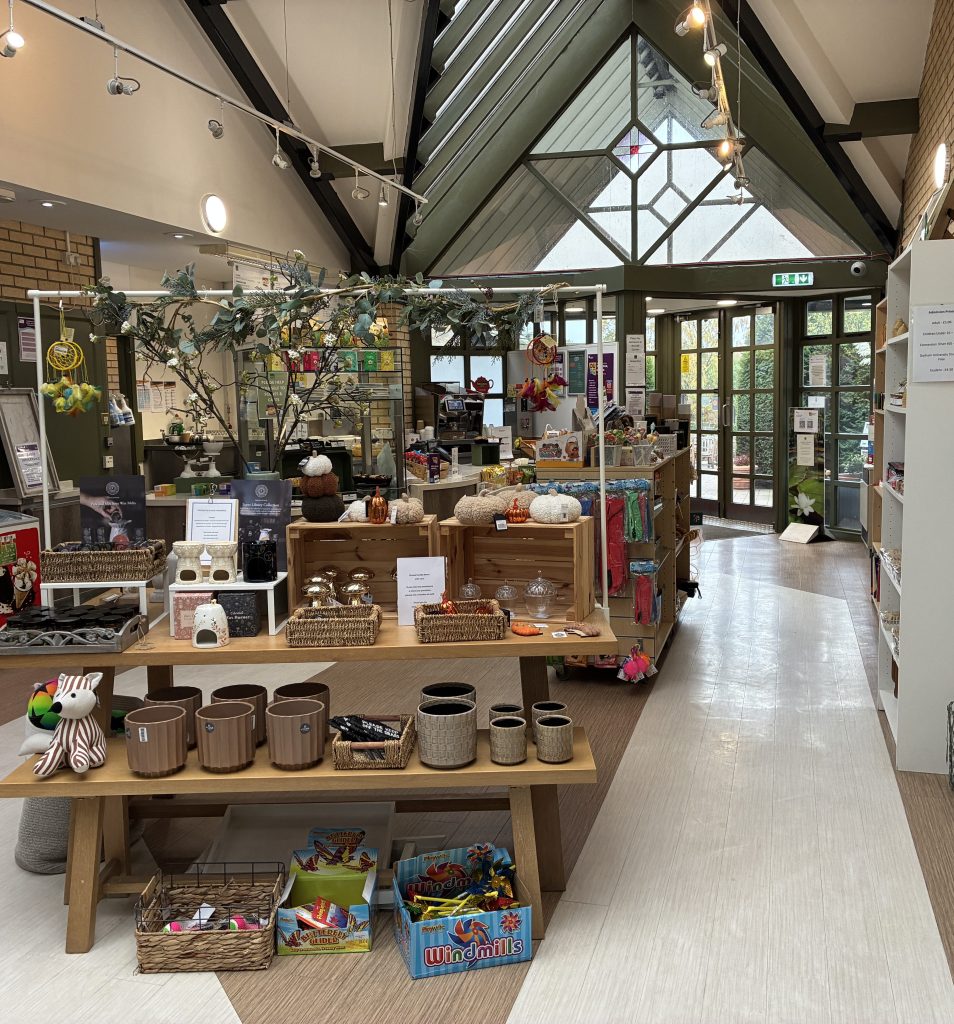
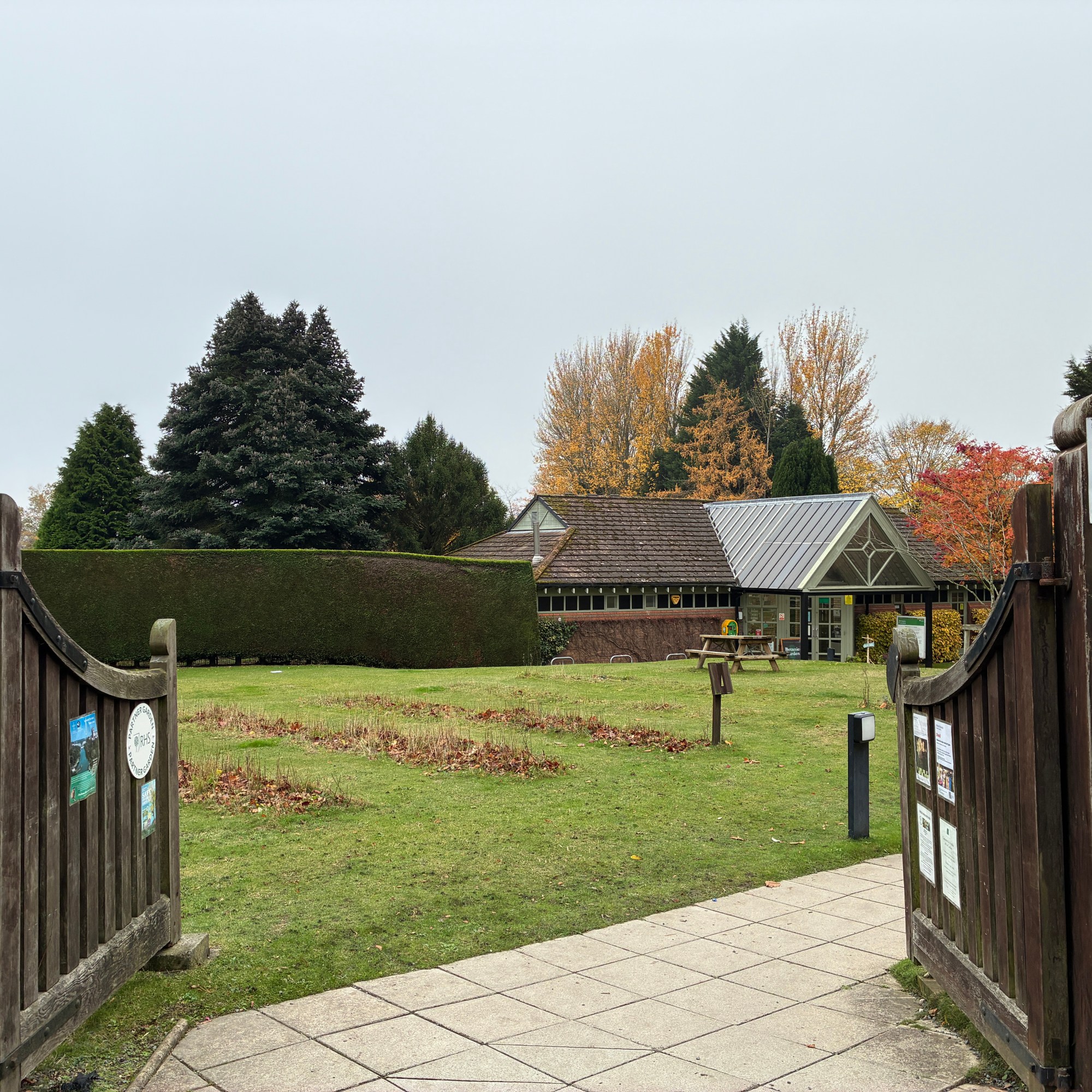
After walking for ten minutes from Trevs and through Grey College, I finally found the Botanic Garden’s entrance and entered the visitor centre. The visitor centre is a quaint brick house with glass doors on both sides, letting rays of sunshine stream in and illuminate the small but snug area inside. It’s a nice spot to sit down and have a cup of tea, but that’s not why I’m here, so I headed on straight through into the garden.
The visitor centre is a quaint brick house with glass doors on both sides, letting rays of sunshine stream in and illuminate the small but snug area inside


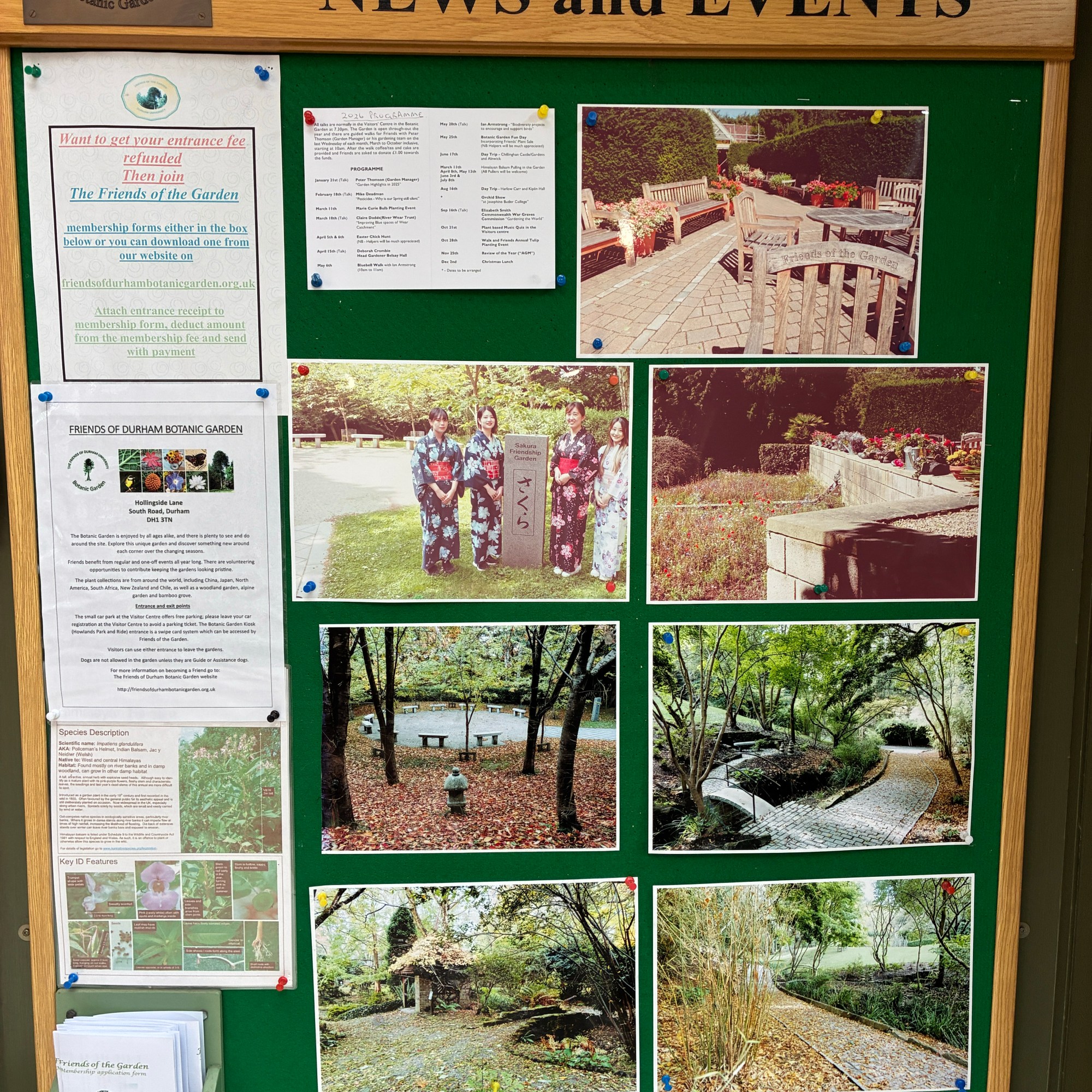
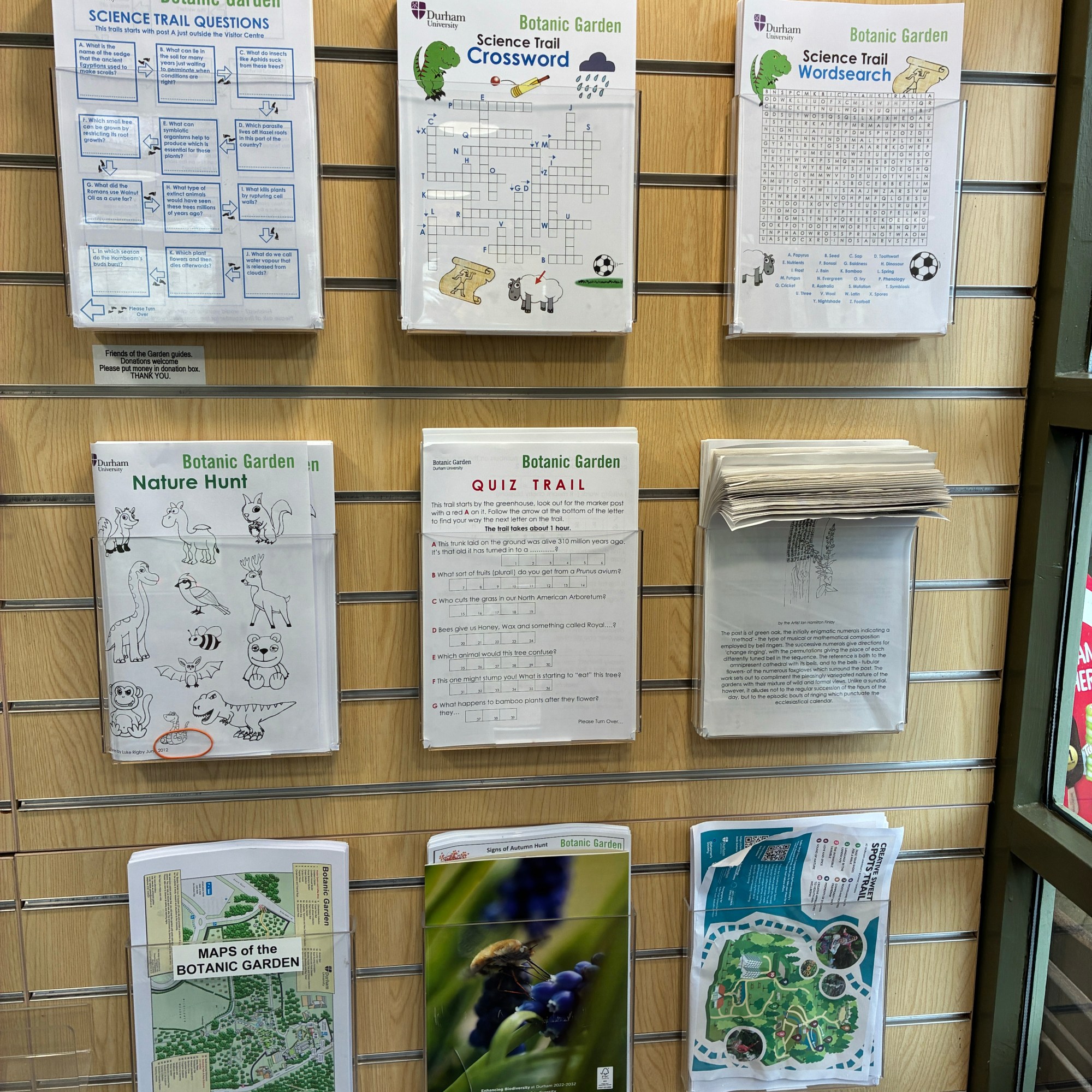
The visitor centre offers a variety of different trails for one to follow in the garden for varying purposes. This time, I chose the Creative Sweet Spots Trail, which includes 10 different spots in the garden, each with its own directives. Developed by Durham University’s Wolfson Research Institute in partnership with Balbir Singh Dance Company, the trail encourages one to use different approaches to connect with nature and oneself. (Link)
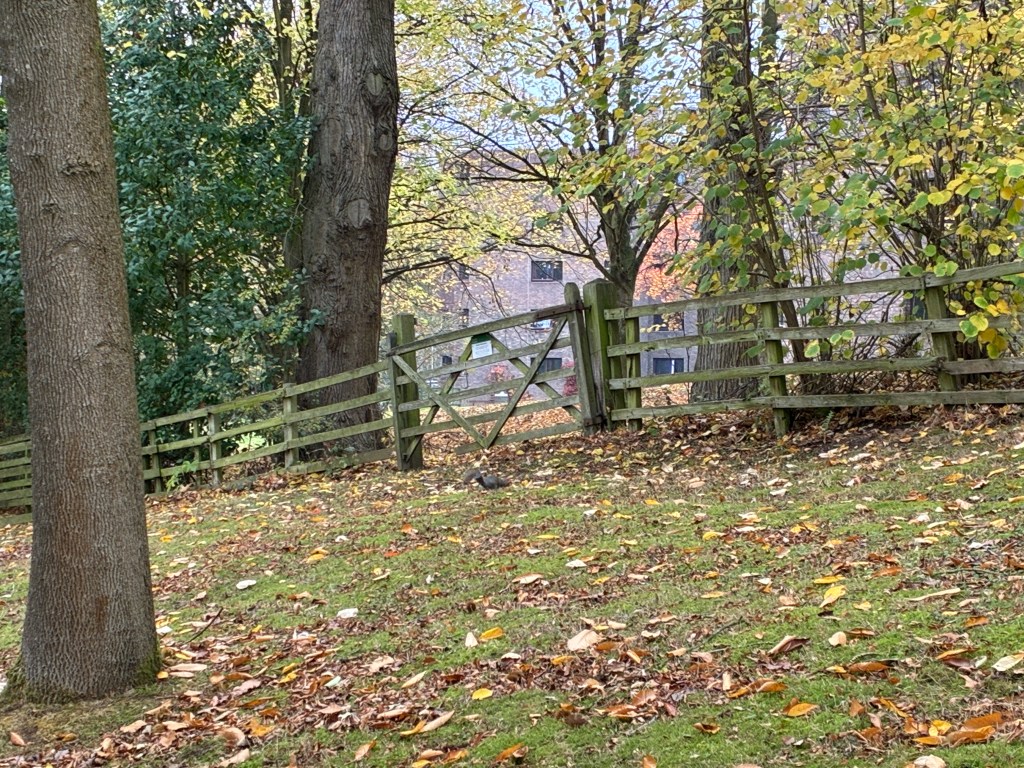
The first two spots were relatively easy to find, since they were right alongside the main trail to the right of the café. While the first spot served more of an introductory purpose to the trail, I was inspired by the next spot to pause and focus on the present. While I couldn’t see the alphabet from observing the trees, I did find a few squirrels hiding in the field, harvesting acorns for winter. See if you can find the squirrel(s) below!
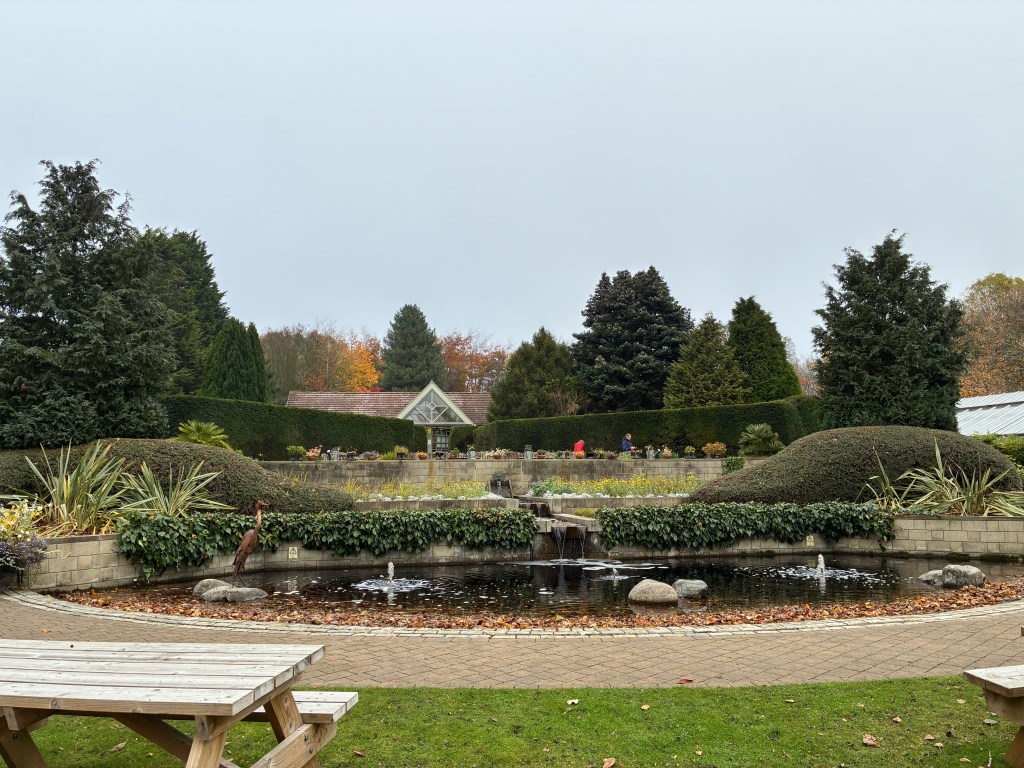
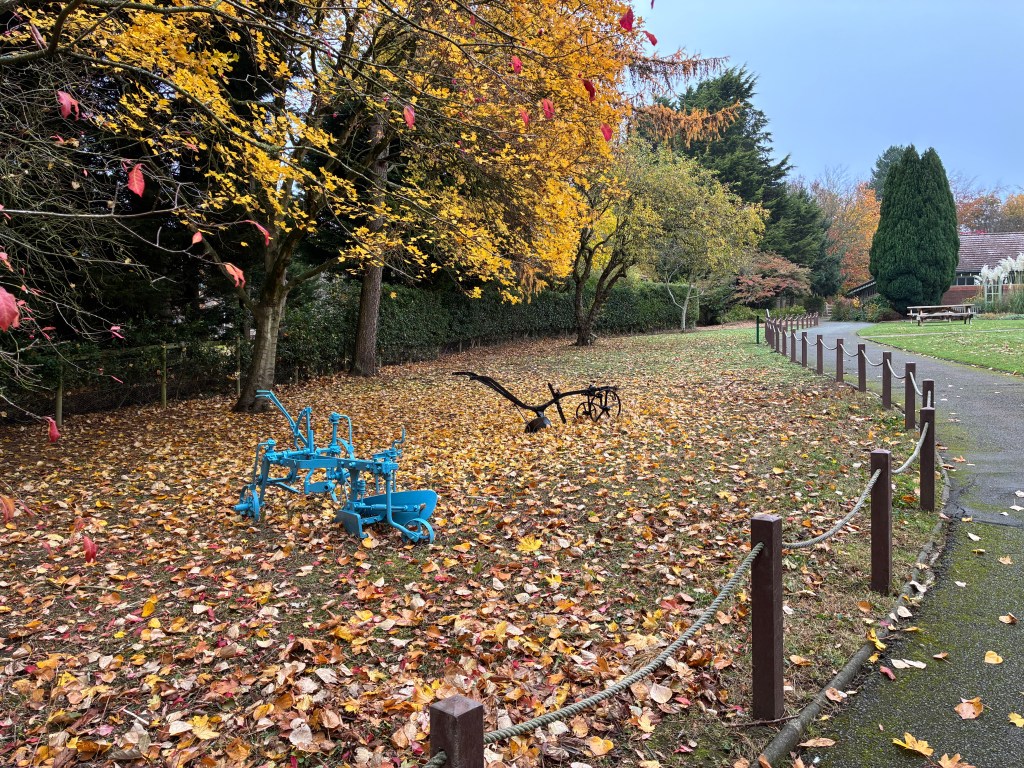
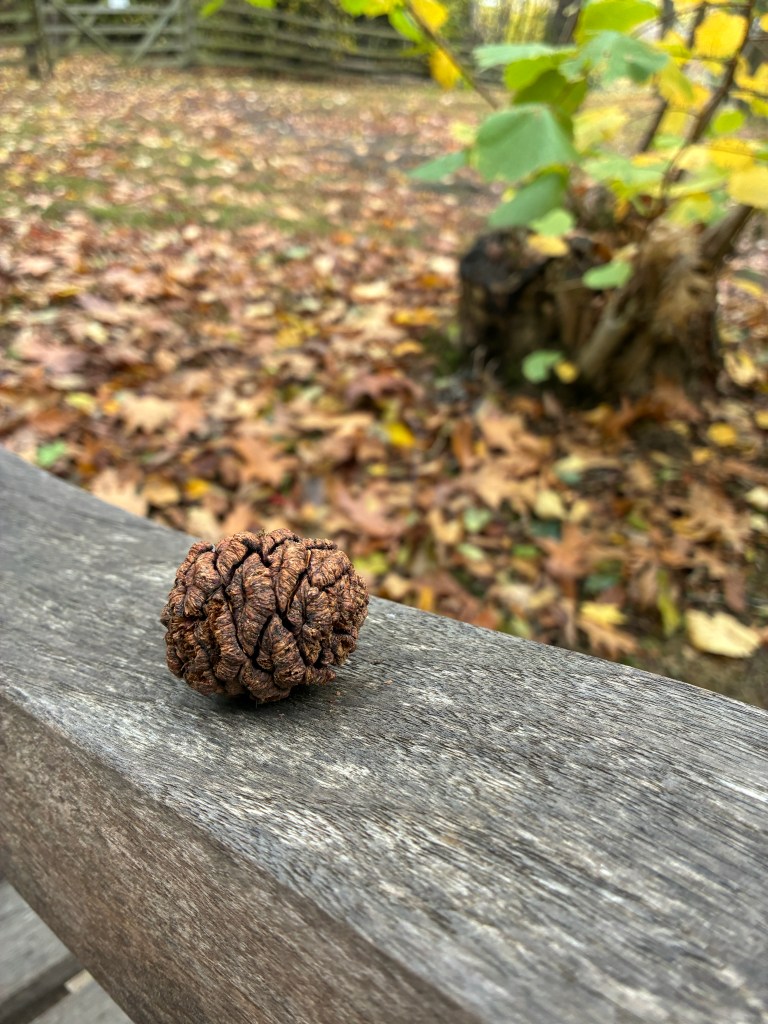
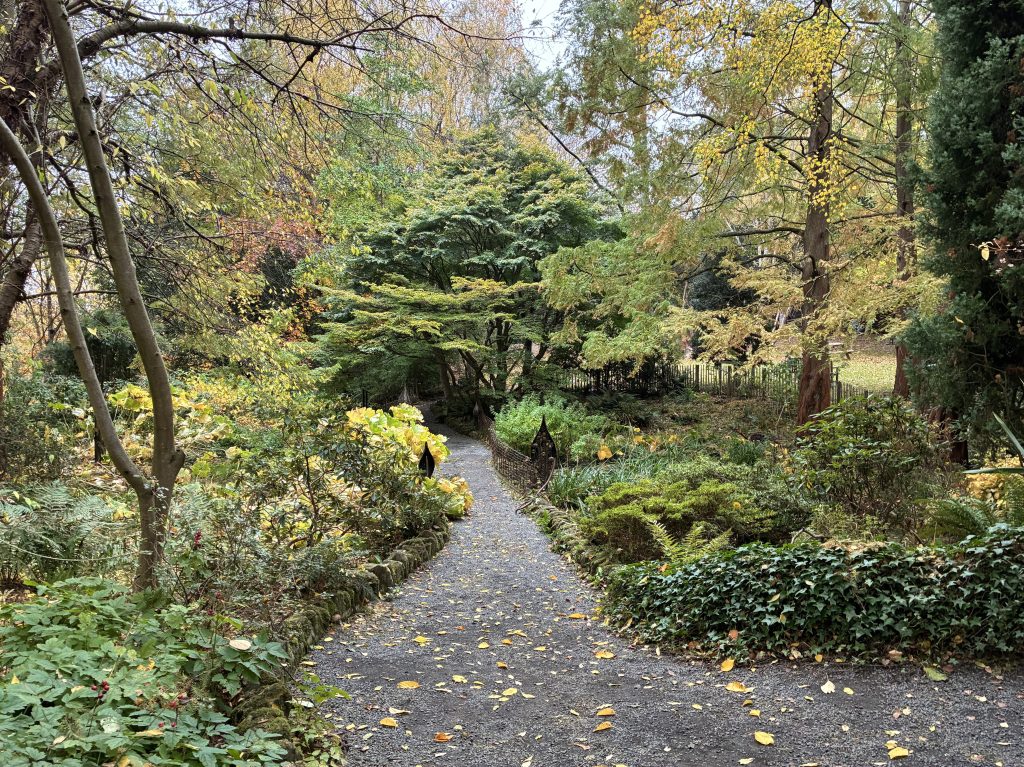
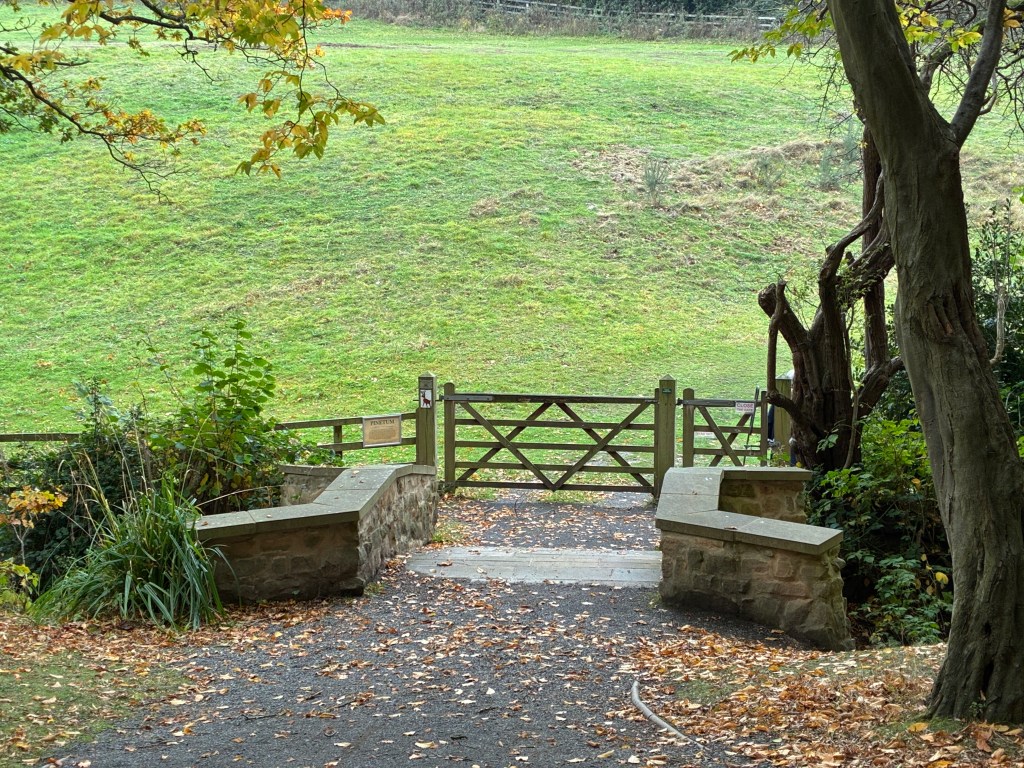
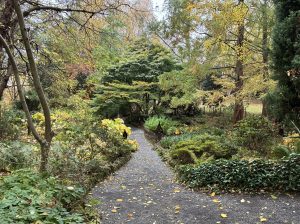
I was entering the deeper parts of the Botanic Gardens, parts I had never fully explored before. Soon, I strayed off the main path and trod on smaller lanes filled with leaves, with autumnal leaves falling all around me. Following the instructions of signs three to five, I let go of my reliance on eyesight and began acknowledging other sensory perceptions, such as touch, sound, and smell. The rough bark of the trees, the continuous flow of water, and the earthiness of the soil all painted a vivid imagery of chaotic serenity, ever-changing but always the same, unpredictable but steadfast, revealing the paradoxical nature of nature itself.
The rough bark of the trees, the continuous flow of water, and the earthiness of the soil all painted a vivid imagery of chaotic serenity, ever-changing but always the same, unpredictable but steadfast, revealing the paradoxical nature of nature itself.
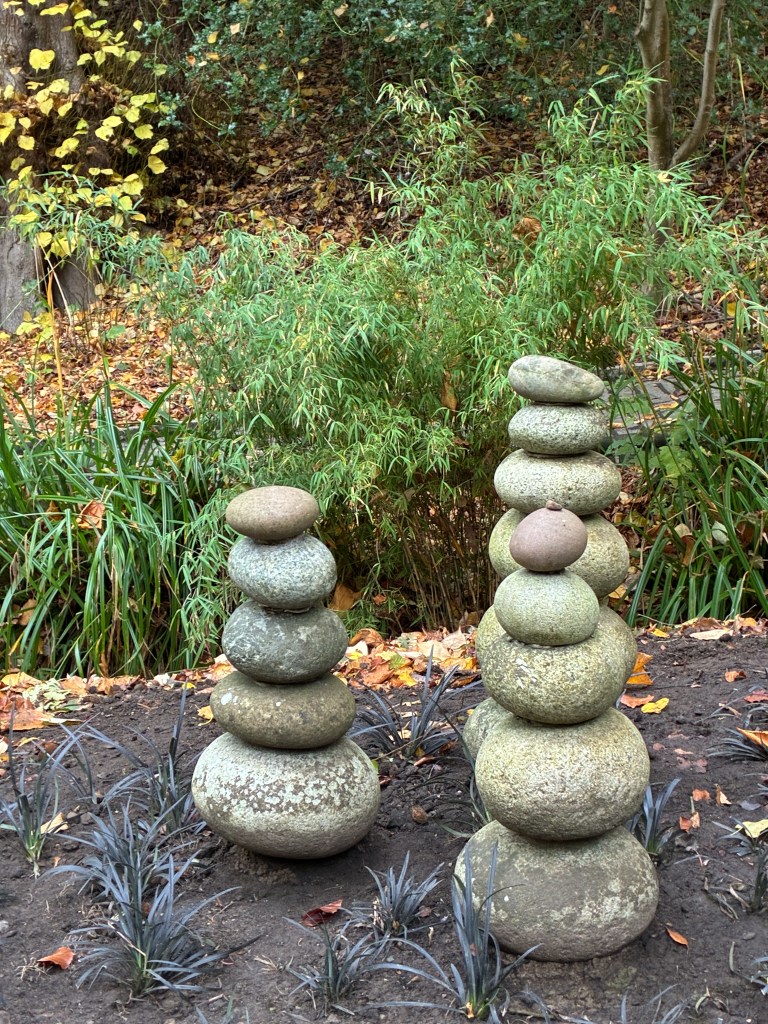
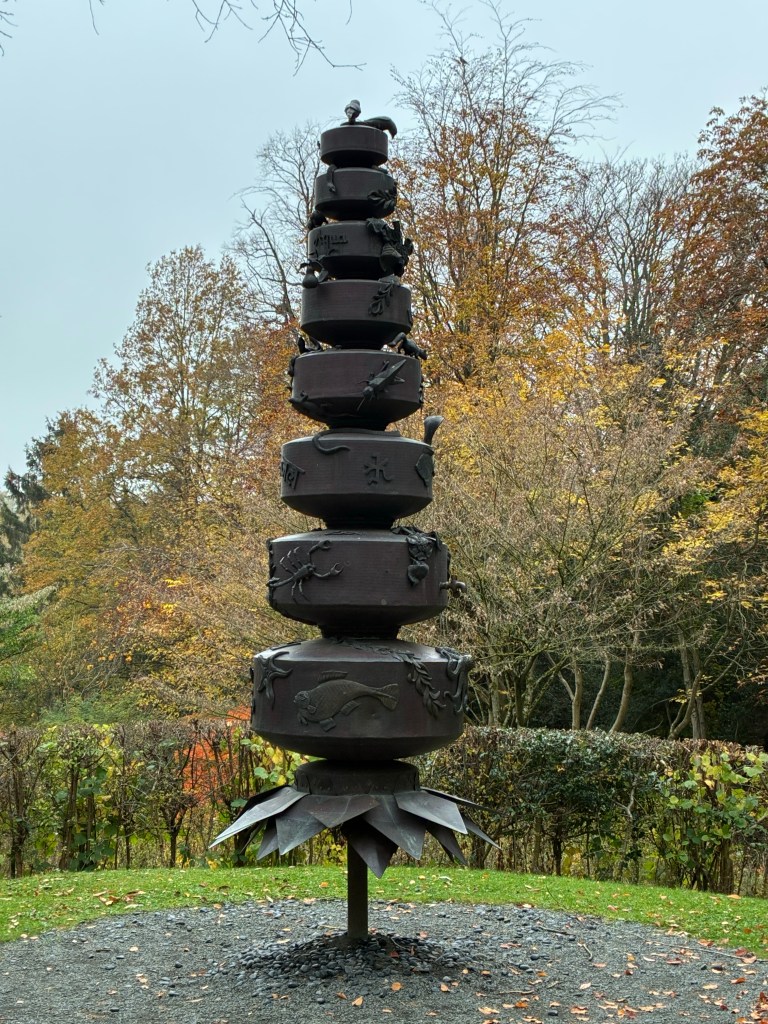
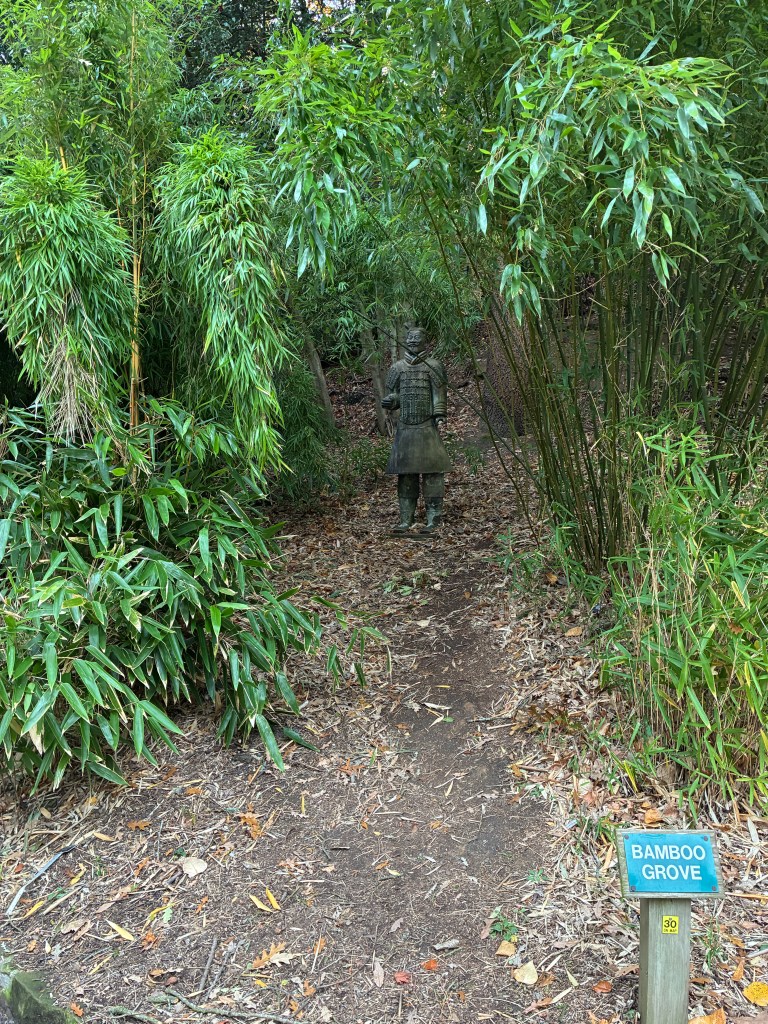
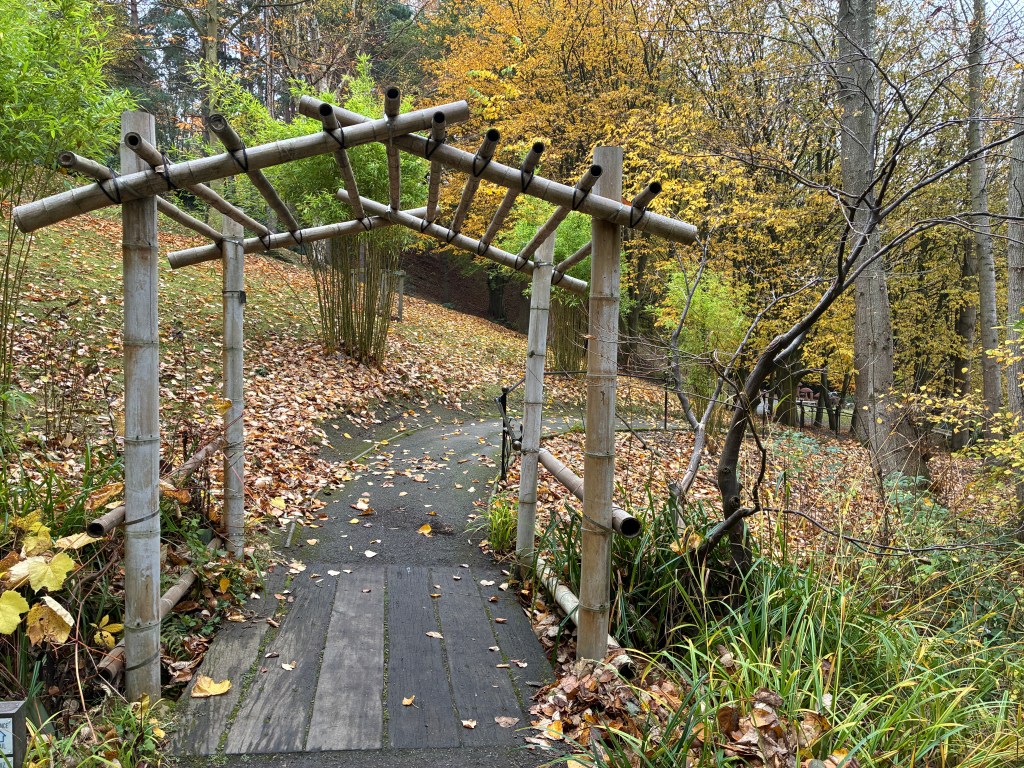
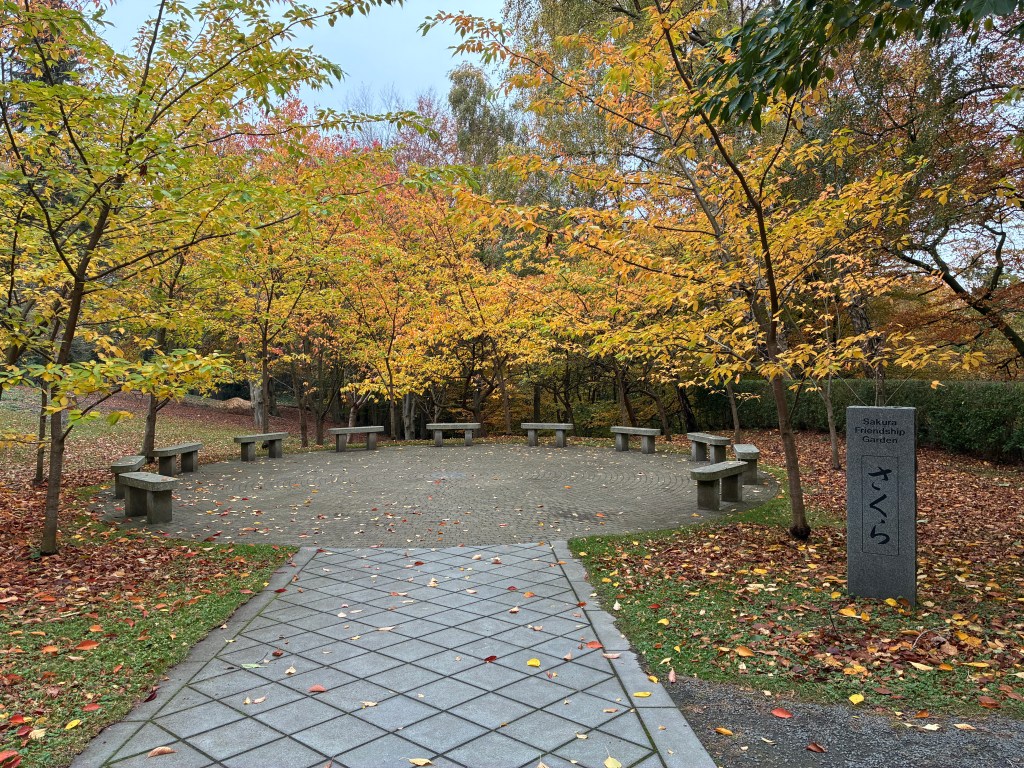
There are many stories woven into the Botanic Garden, so many that most of the stories have already been forgotten and few remain in record. Signs six to eight ask us to look past the mundane and apply our imagination to the natural world around us. The wooden bridge by the pond became a symbol of connection, rooting the garden in a spirit of connectivity. Buddhas, totem sculptures, and terracotta statues line the paths, signifying the garden’s development through multicultural interactions and acceptances as Durham globalizes with the world. The Sakura Friendship Garden, nestled deep in the garden, recalled a tale of friendship that reminds us of our shared humanity, despite our differences. Lost in thought, I somehow managed to found sign eight before seven, and nearly ventured out of the garden itself.

As the trail slowly drew to an end, I slowly drew my attention back from the outdoors into myself. With the guidance of sign nine, I re-found the natural rhythm of my body in my breath and walk. I became acutely aware of the different parts of me, from the toes propelling me forward to my hair flying with the wind. My mind was quiet for once, not thinking about this impeding article that I have to submit, not thinking about what time it is, but just existing in the moment.
My mind was quiet for once, not thinking about this impeding article that I have to submit, not thinking about what time it is, but just existing in the moment.
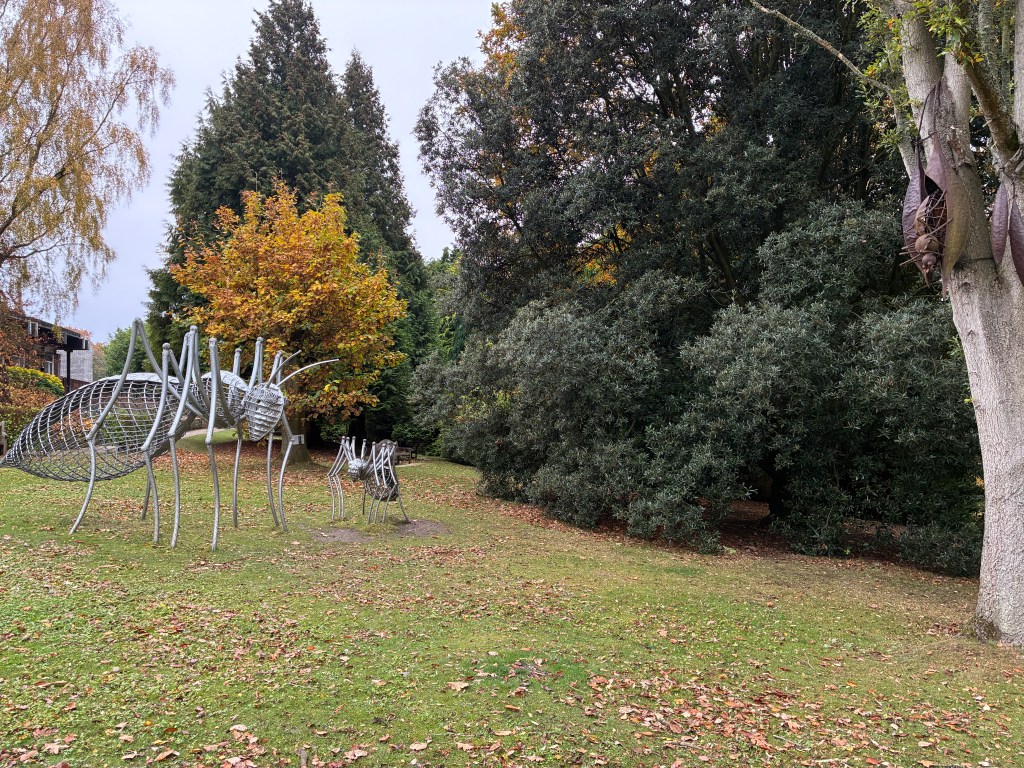
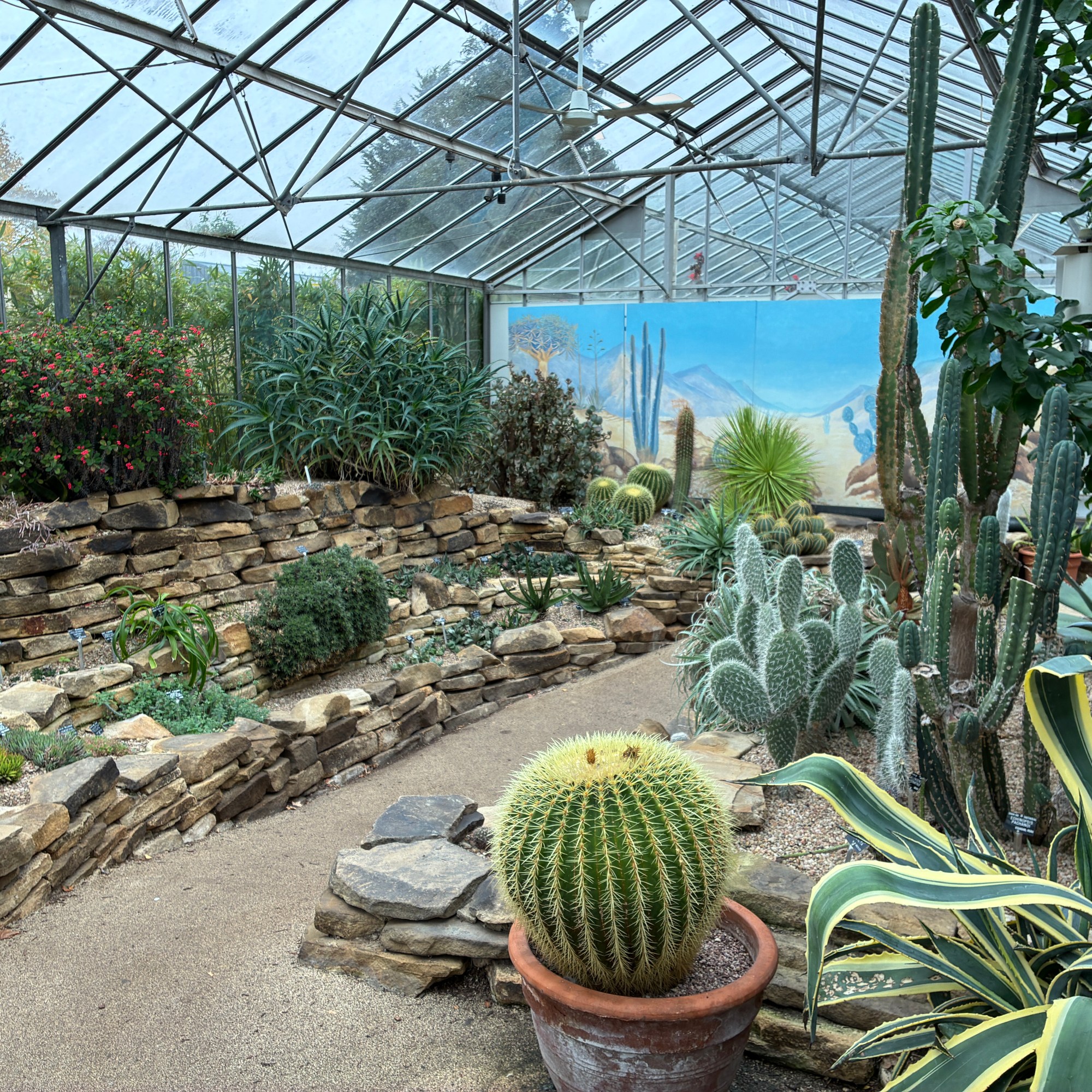
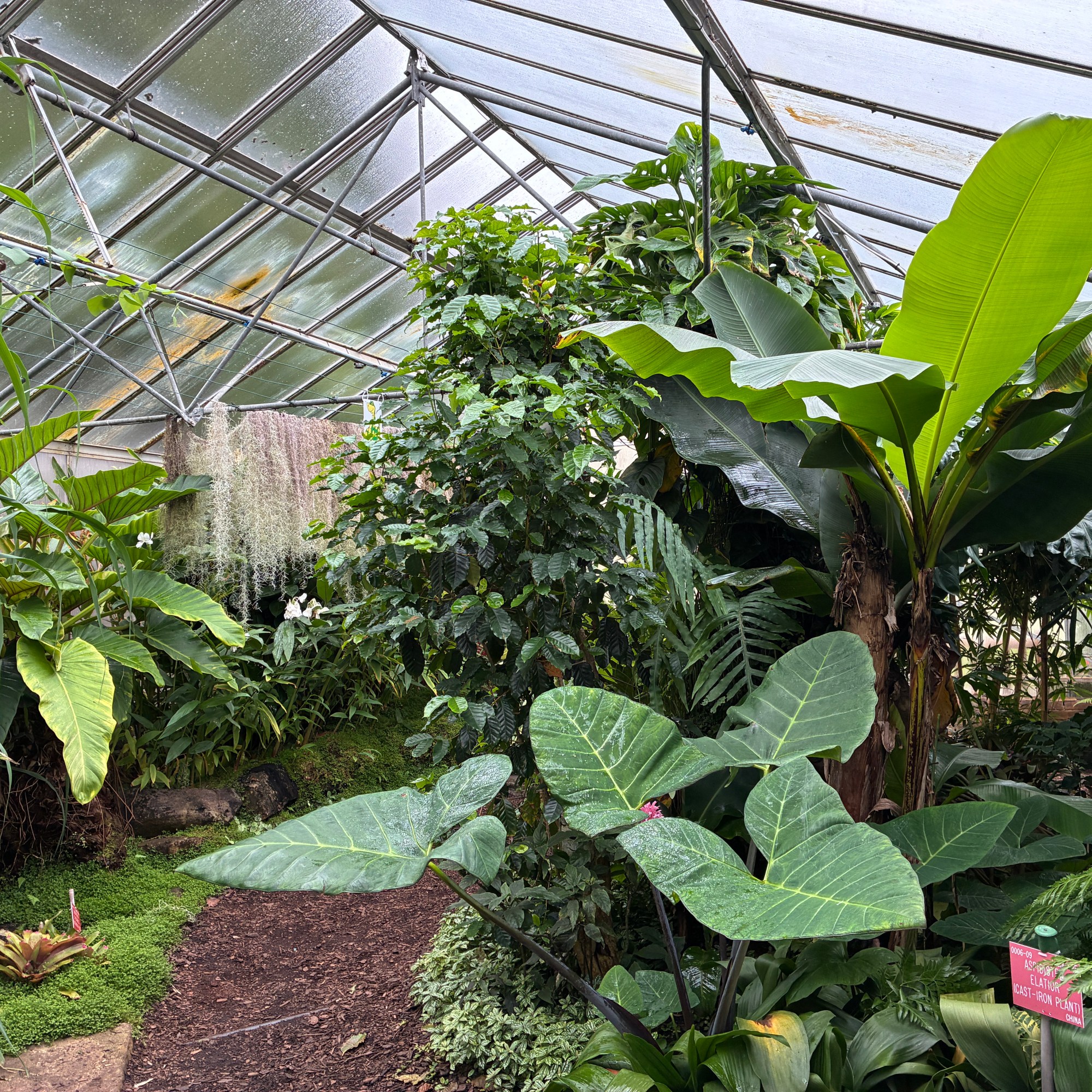
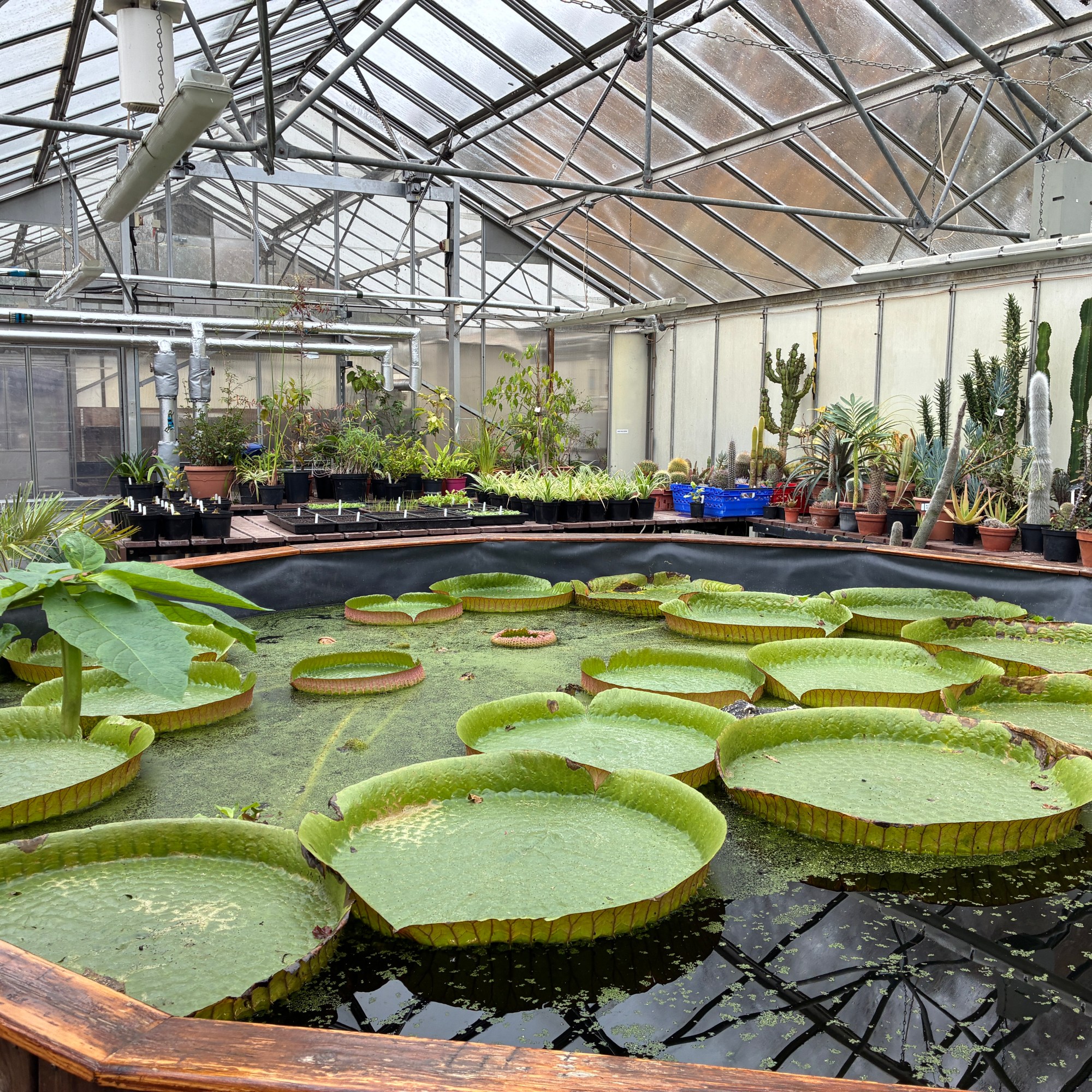
I finished the trail at the greenhouse, which happens to be right next to where I started. If you were expecting ordinary plants that you would see in a typical greenhouse, get ready to be astonished, as this is no ordinary greenhouse. It has trees from the Amazon rainforest, cacti from the deserts of Africa, red-coloured koi from Northeast Asia, and so much more. It’s a reminder of how far we’ve come in internationalisation, but it also reminds us how much effort we must put in to maintain our peace.

And that sums up my little trip to the Botanic Gardens! There’s a lot more to explore than I’ve covered in this article, and every visit brings a fresh perspective on the scenery. I hope you’ve been inspired by this article to visit the Botanic Gardens, and remember to be mindful!
Signs in Order:
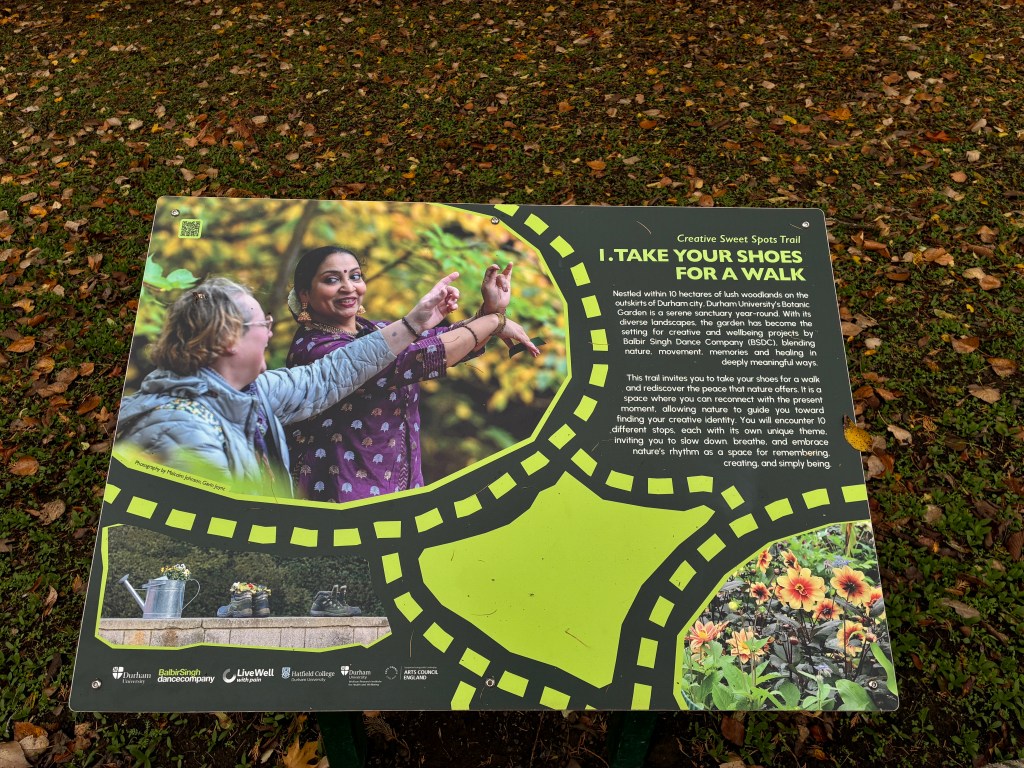
Sign 1: Take your shoes for a walk 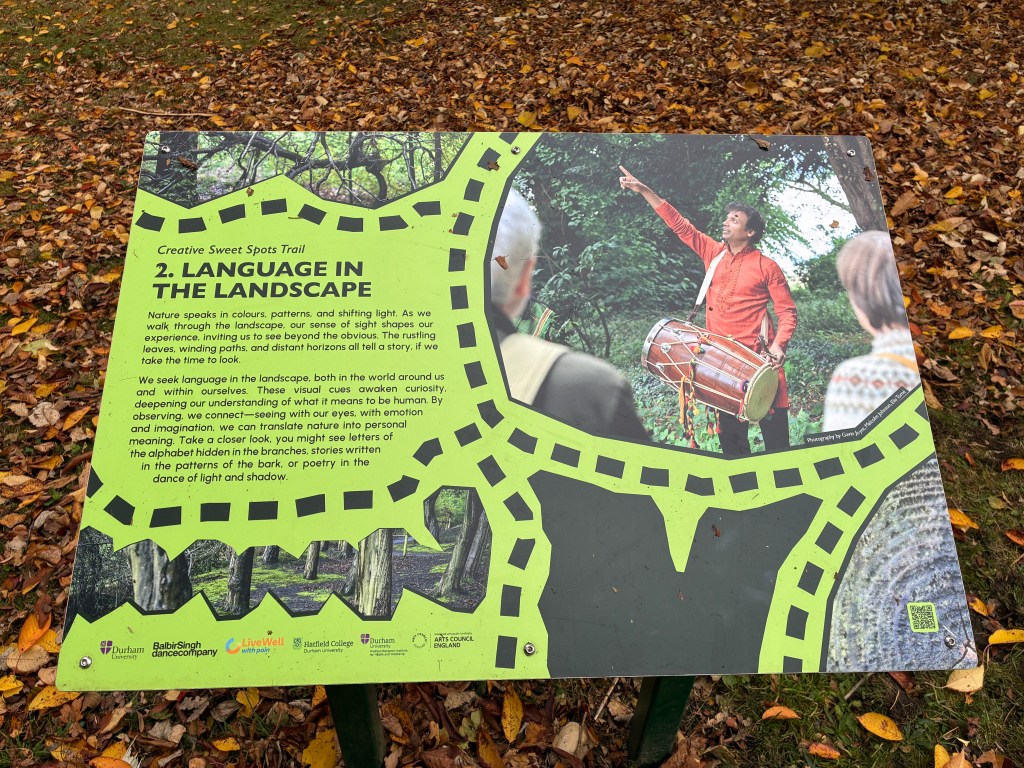
Sign 2: Language in the landscape 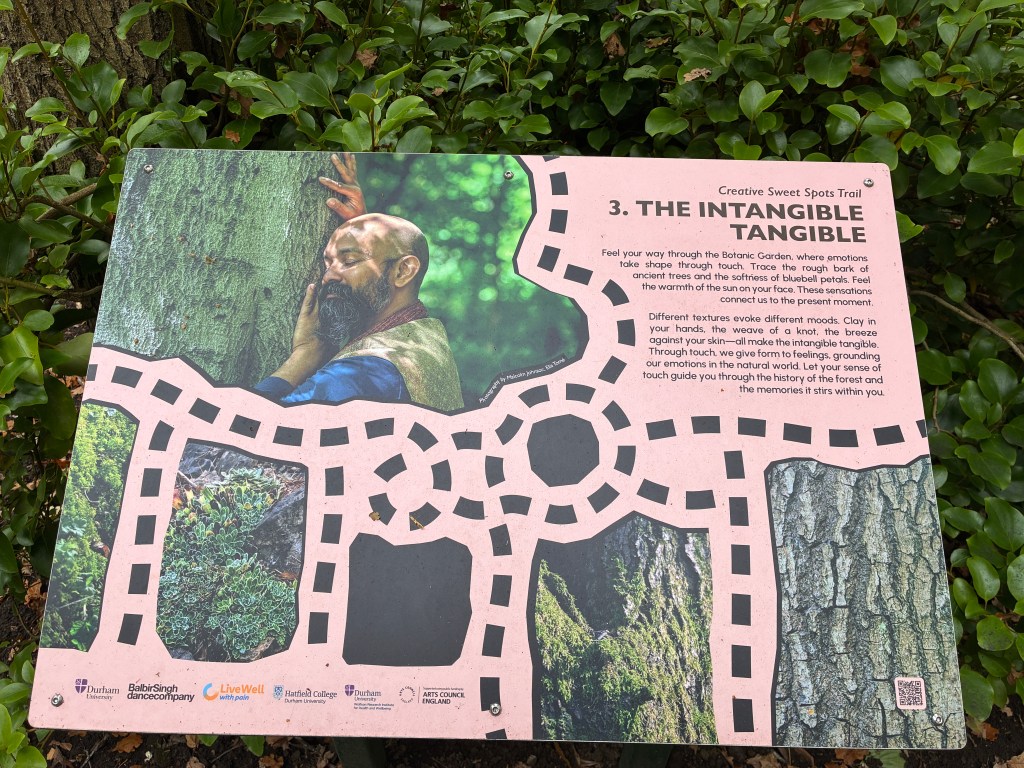
Sign 3: The intangible tangible 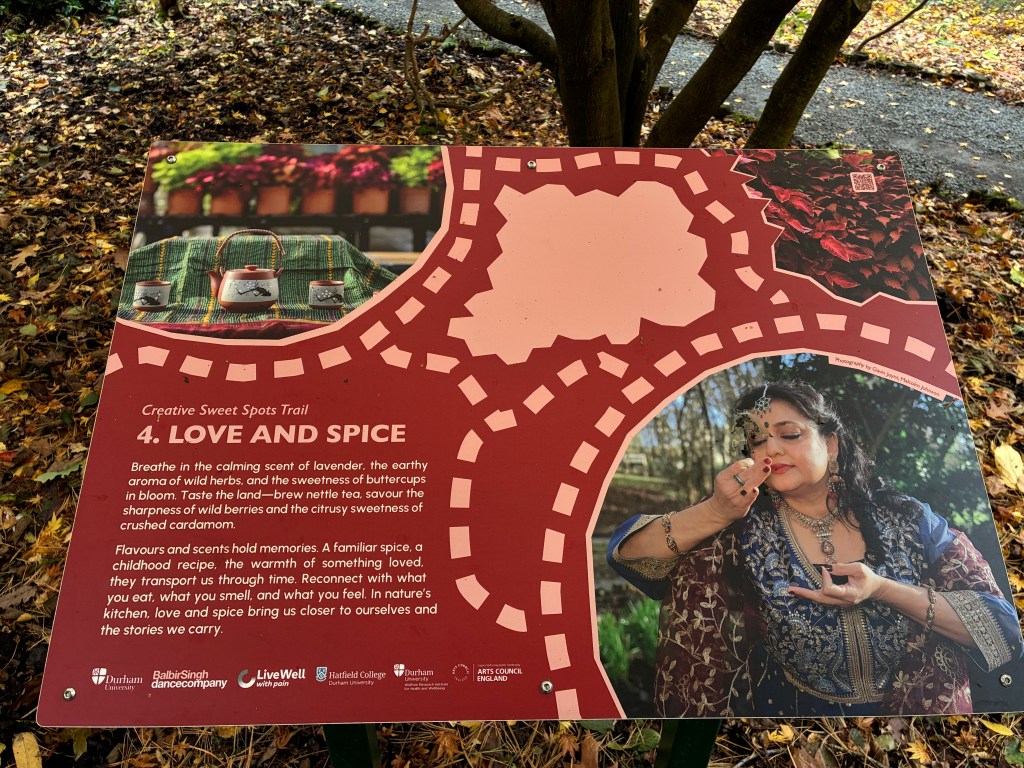
Sign 4: Love and spice 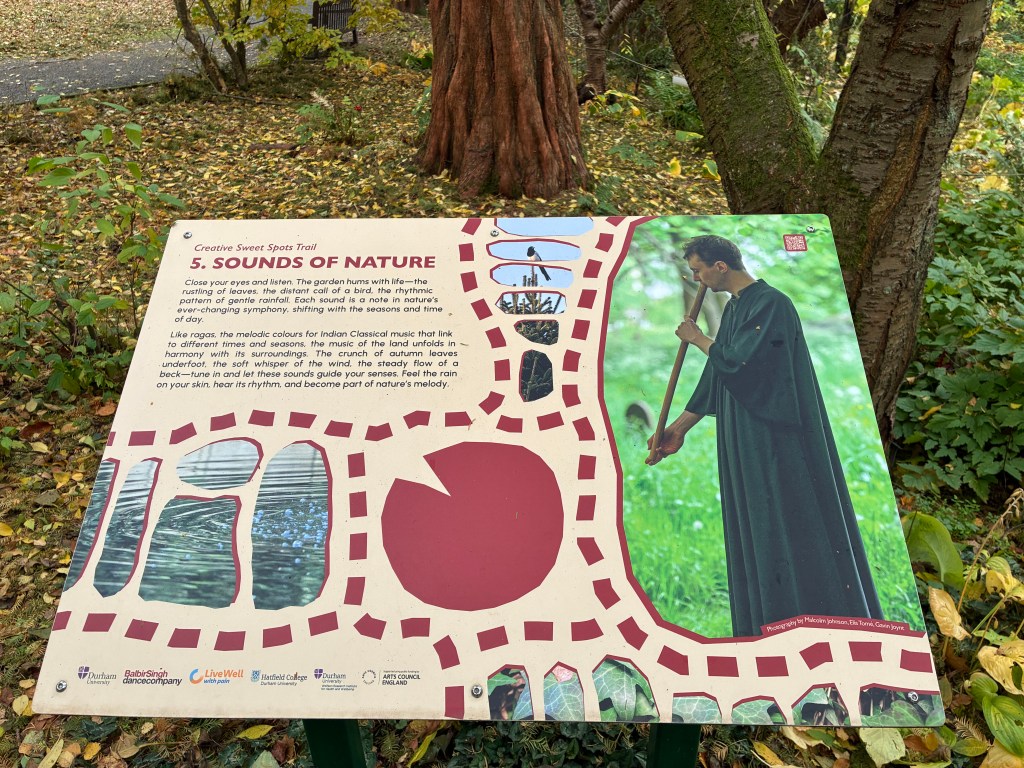
Sign 5: Sounds of nature 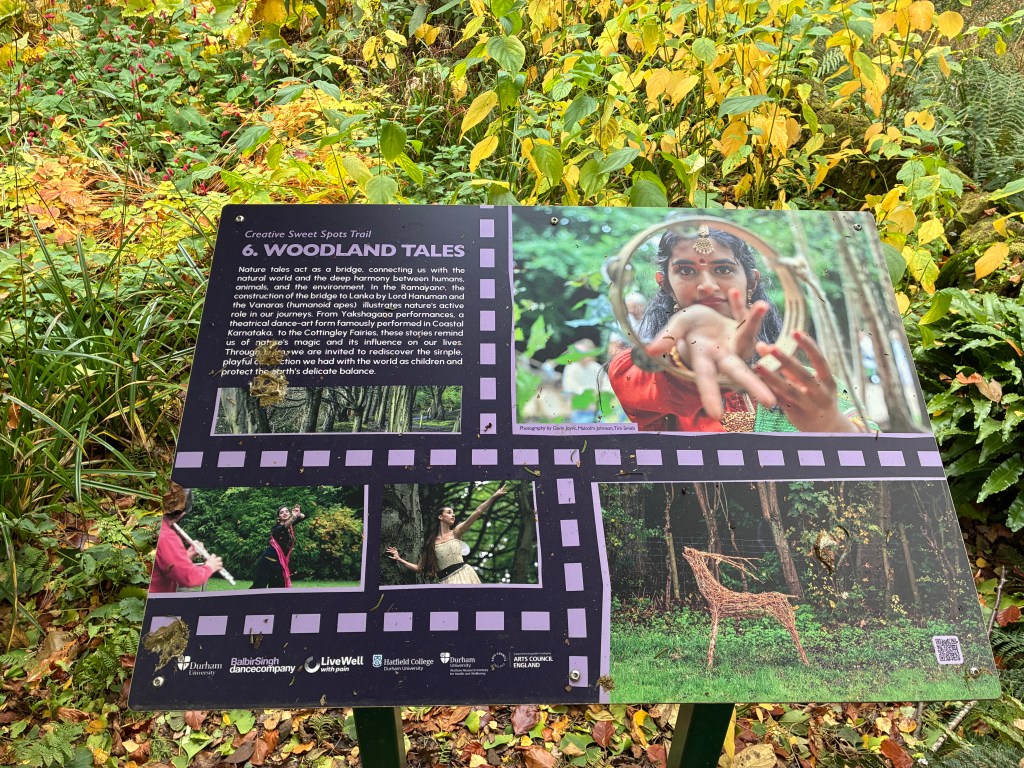
Sign 6: Woodland tales 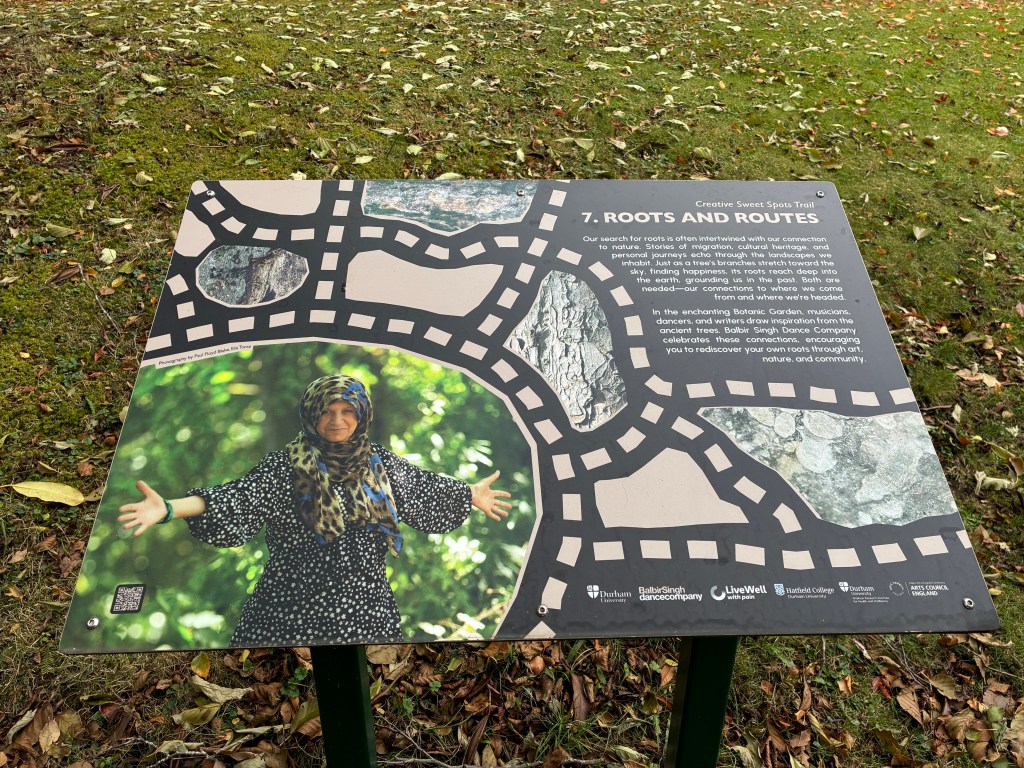
Sign 7: Roots and routes 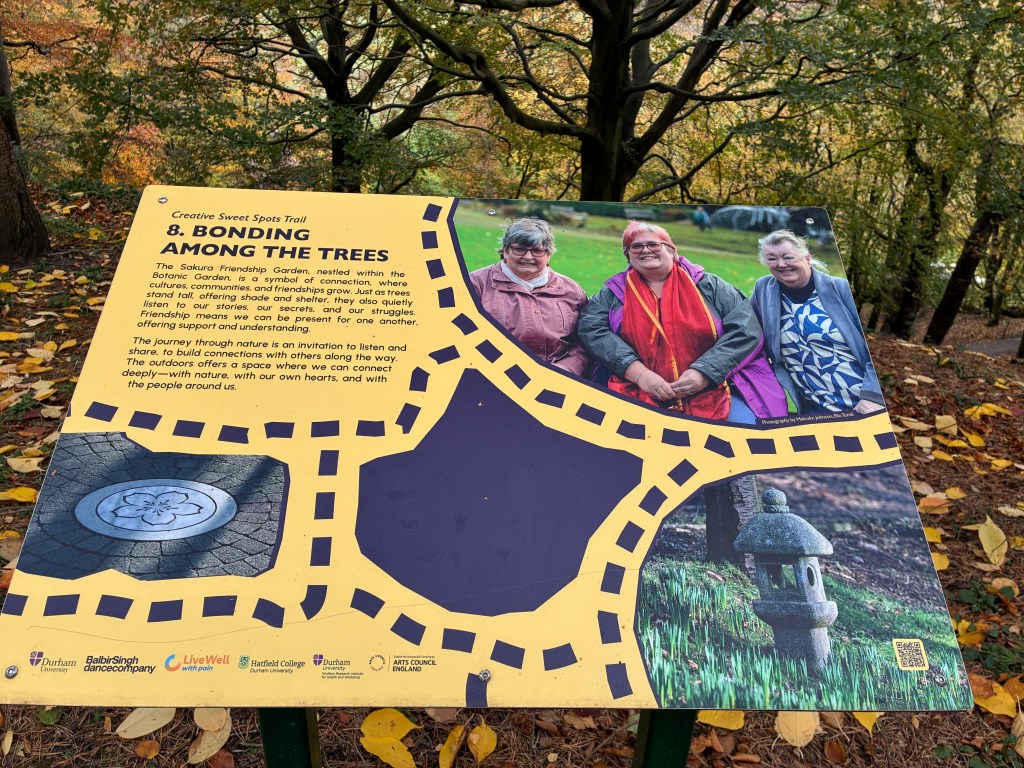
Sign 8: Bonding among the trees 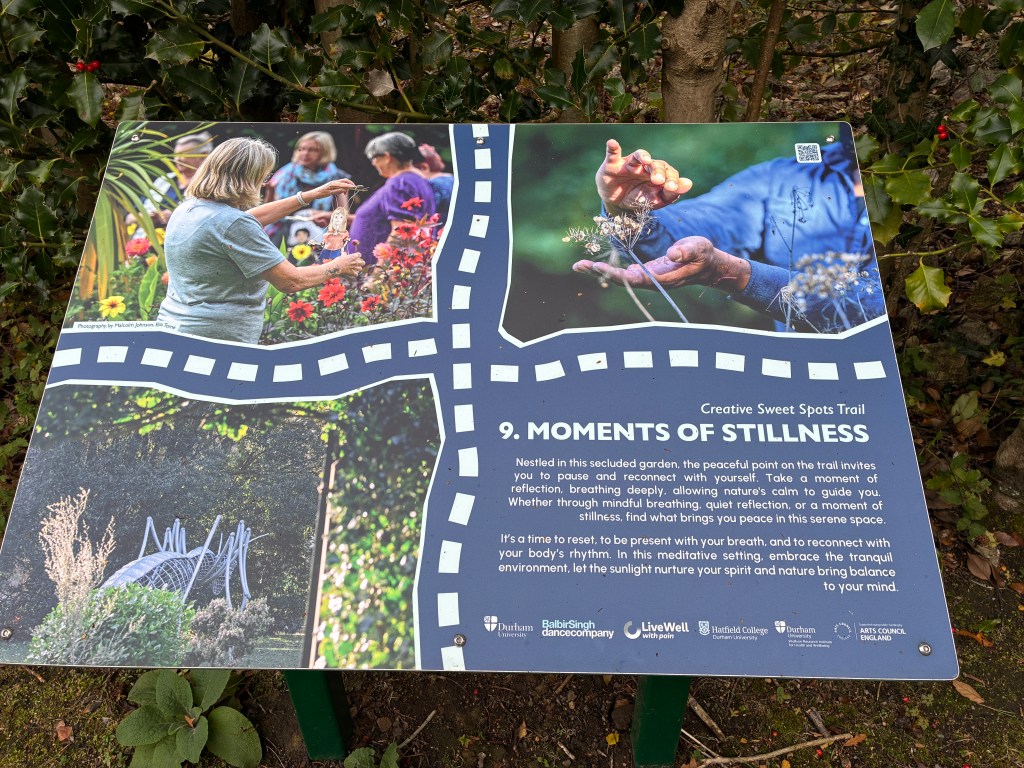
Sign 9: Moments of stillness 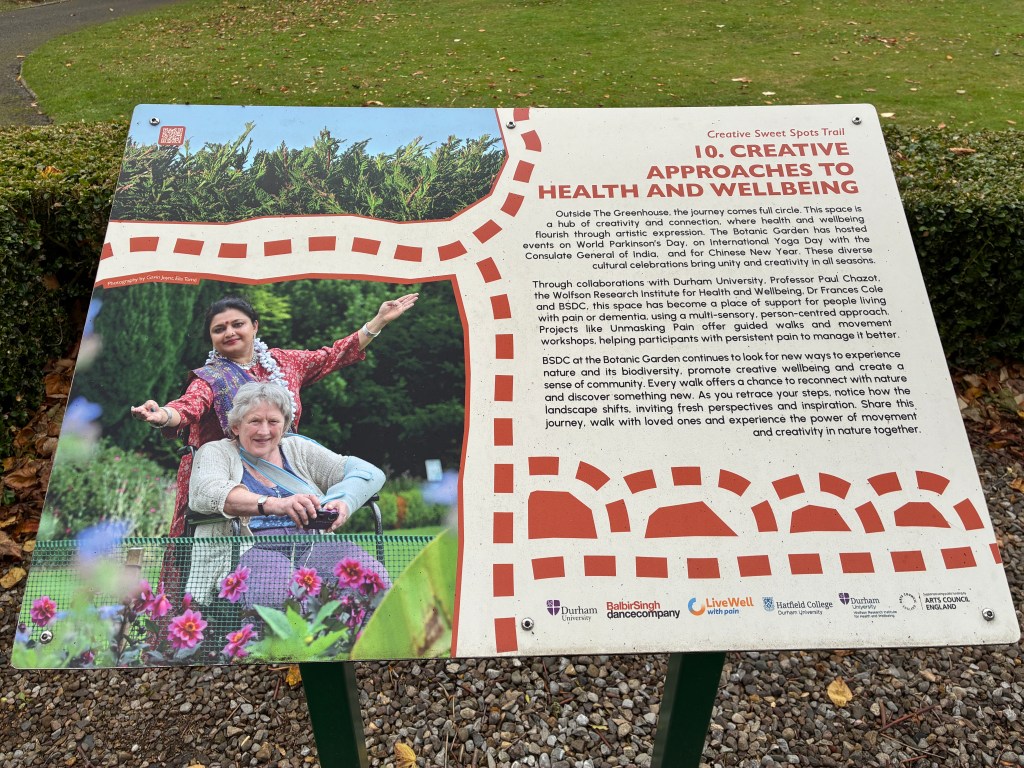
Sign 10: Creative approaches to health and wellbeing
Image Credit: Jasper Yam
Botanic Garden. (2026). Durham University. https://www.durham.ac.uk/things-to-do/venues/botanic-garden/
Baldir Singh Dance Company, & Durham University’s Wolfson Research Institute. (2025). Creative Sweet Spots Trail. In. Durham.




Leave a Reply