My friends and I have a regular spot at the Three Bridges every few Sundays. We arrive at half past the hour, usually order drinks and small plates, then brace in anticipation for throngs of students to flood the waters when a specific sport’s coverage begins. The Three Bridges is rather an impressive sports pub too – with HD TVs plastered across every conceivable surface, it is a far cry from the days of having one small screen in the corner of the pub jumping across six sports haphazardly, five of which you have never heard of, yet are an expert in by the time it reluctantly flicks back to the sport you originally intended to watch. You wouldn’t think that it would be difficult to see a screen.
I have never seen a pub packed so deeply as I did on 7th December 2025 for the final race of the Formula One (F1) season, as Lando Norris sealed the Drivers’ World Championship. Crammed in a corner, surrounded by strangers, with the entire pub holding its breath in a show of more unified concentration than has ever been recorded at a lecture, it felt as if the entire city were absorbing the action in Abu Dhabi (except we were on North Road, of all places). Low cost, low commitment, yet high adrenaline and incredibly social, Durham University F1 Society is exceptionally large, and provides a platform for students to come together, immerse in a visceral world of adrenaline and speed, and temporarily put thoughts of studying out of mind. Perhaps less so for engineering students…but the point remains: the society is a fantastic place to meet like-minded people. However, pre-Covid, the audacity of wearing your prized F1 merch in public to go and do your weekly shopping felt like the equivalent of an embarrassing TikTok airport t-shirt swap, or having ‘I’m a nerd’ plastered across your chest.
Stefano Domenicali, the CEO of the Formula One Group, has turned F1 into a relevant reality show. Since its premiere in 2019, Netflix’s Drive to Survive has been credited with a surge in interest in the sport. ‘Documentary’ may be a strong label for this invasive show, as, across eight seasons, the programme has been criticised for falling into stereotypical narrative arcs through falsifying radio messages and doctoring onboard footage to glamourise rivalries and dramatise relatively meaningless overtakes. Nevertheless, there is no longer a barrier of a helmet. Generally, new fans no longer pick their favourite driver based on being five years old and choosing ‘Button’ because their dad likes him and they like chocolate buttons. Face and personality are crucial in attaining behind-the-scenes understanding. The world now has direct access to drivers’ motives, backstories, inspirations and lifestyles, presenting more humanised, accessible figures.
There is no longer a barrier of a helmet
This approach has been refined within the past decade. From 2019-2023, McLaren Unboxed ran a team-focused, behind-the-scenes YouTube series that simply compiled raw race-weekend footage to give fans free access to the team’s inner workings; this simple approach drew over 1 million views across several videos. Ultimately though, this was brought to a halt by F1 management company Liberty Media, which feared the crossover content would diminish Drive to Survive‘s level of exclusivity; therefore, Unboxed was only recently revived in a revised, more limited format.
F1 drivers no longer simply race; media duties absorb an entire day of the long race weekend, while drivers require media training and comprehensive press teams to manage their online images. It is not hard to identify how or why. As Formula One CEO Stefano Domenicali said in September 2026 on The Tonight Show, “It’s more than a sport. It’s an entertainment platform”, noting that “[The drivers] are professional drivers, but they know they are part of a bigger ecosystem”. A short YouTube video of drivers Lando Norris, Oscar Piastri and Pierre Gasly playing life-sized UNO amassed 600,000 views in three days. Drivers are required to participate in a YouTube series called Grill The Grid, featuring challenges, quizzes, and questionnaires. The immersive yet farcical F1: The Movie (2025) won an Oscar for ‘Best Sound’. Influencers wave the flag to conclude the race, although often without having actually watched the events unfolding on track. I could go on.
‘It’s more than a sport. It’s an entertainment platform.’
With fans nearing 1 billion, and close to 4 million having attended 2026 race weekends so far, F1 has earned its status as a global sport, especially in light of its recent announcement of a return to Africa. The growth of female fans has been instrumental in the sport’s rise, since the prestigious world of motorsport has long been seen as a masculine industry, with the historical visibility of feminine influence and participation relegated to promotional roles. Moreover, the introduction of F1 Kids provides a more accessible media format for younger audiences, explaining the sport’s complex rules in a more approachable way. F1’s rapid expansion aligns with the sport’s inherent speed.
Unfortunately, this does not mean commercialisation has been entirely positive. Whilst smaller-scale gatherings, such as Durham’s own F1 society, provide a fantastic chance for friendly rivalry and discussion, the wider web of social media is laced with intrusion and toxicity. Fans are demanding access to drivers’ lives more than ever before; as a result, several drivers are choosing to draw away from this parasocial sphere of influence and critical attention. Long-term fans of the sport criticise newer ‘Drive to Survive Fans’ for focusing on surface-level drama and spectacle rather than the racing action, and new female fans are harshly accused of following the action based on driver attractiveness rather than capability. Crucially, F1’s commodified nature lends itself to exposing the drivers it champions, and the growing tension between the fans it aims to unite.
However, whether you appreciate F1’s growth or not, or sympathise with drivers losing privacy or not, you will be lucky enough to get a seat in the pub to discuss your perspective at the next race gathering.
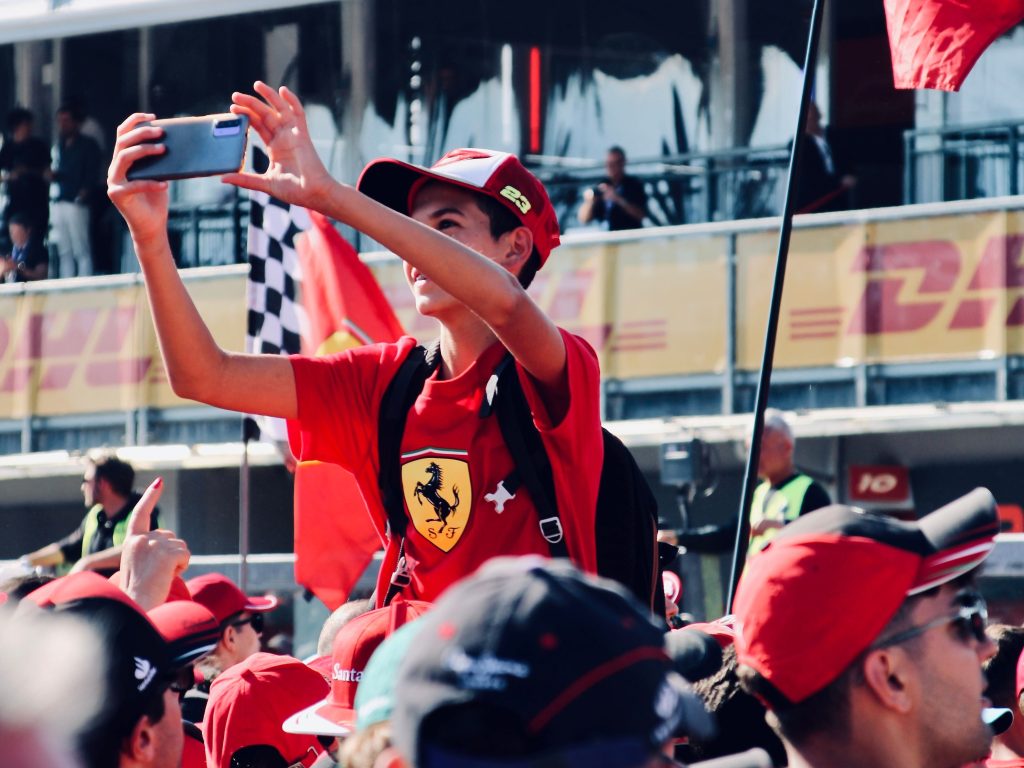
Image: Mattia Linari via Pexels



Leave a Reply