Content warning: this article includes reference to weight loss drugs and body image
There has been a lot of discussion recently around the use of Ozempic amongst celebrities. Ozempic, the brand name for the drug Semaglutide which is used to treat type 2 diabetes, has swept through Hollywood. The drug helps to slow digestion which leaves users feeling fuller for longer and reduces their appetite. Many celebrities have admitted to using the drug for weight loss instead of its intended purpose, and the 2025 award season saw red carpets full of greatly slimmed down versions of some famous faces.
These transformations illustrate the return of the ‘heroin chic’ look, originally popularised in the 90s and by models such as Kate Moss and Elle McPhearson. The clue is in the name that there is something incredibly harmful about this so-called aesthetic. 30 years on, and after such a huge body positivity movement, this look is once more being presented as an aspiration. Why can we not seem to leave this look alone?
The body positivity movement of the 2010s did see a big shift in the way people, especially women, thought about and viewed their bodies and those of other people. Models were not necessarily as thin as before and plus size models, such as Ashley Graham, had an unprecedented level of success. Diversity at fashion shows and on screen was monitored closely in order to ensure people had the opportunity to be represented and it seemed real change was being made.
There is something incredibly harmful about this so-called aesthetic
However, more than a decade later, the inclusion of plus size models admittedly still feels tokenistic. Whether on the runway or in the media, the percentage of plus size models remains low and has seen a decrease over the last couple of years since the rise of Ozempic. The dramatic U-turn back to ‘ultrathin’ models happened scarily quickly which gives the impression the body positivity movement was just a façade. Designers, fashion houses, and brands bought into a trending movement, but it is clear that body positivity was never truly integrated into the world of fashion.
Mentalities have been changed as a result of the 2010s movement and people are less convinced that looking skinny is the be all and end all but holding on to this mindset is difficult when we are constantly bombarded on social media, in the cinema or by advertisements with images of what our bodies should look like. Similar to how the embracing of all body types was just a flash in the pan trend, the ‘ideal’ body also follows trends. Since the 90s we have seen the pendulum move from heroin chic to the ‘slim thick’ look brought about by the Kardashian clan, and it has now swung violently back to extreme thinness.
The inclusion of plus size bodies admittedly still feels tokenistic
Human bodies cannot follow trends this extreme. Of course, weight can and does frequently fluctuate but keeping up with these changing ideals requires the shape of peoples’ bodies to morph which is almost impossible. Almost. Celebrities have access to a wealth of resources such as personal trainers, private chefs, and perhaps most importantly high-end cosmetic procedures. Part of their job is to achieve this ‘desired’ look which for ordinary people who have normal jobs, this just is not realistic. This can lead to desperate people to take drastic measures; I’m sure we have all read a news story about a botched BBL or liposuction, or the horrific side effects of sham weight loss injections, or even people losing their lives in an attempt to feel more confident. The unattainability of models’ or celebrities’ looks is, some would say, the most important bit with certain designers arguing people don’t want to see ‘normal’ bodies represented at Fashion Week or on the red carpet.
Even after the attempt at liberation from the body positivity movement, women’s bodies continue to be discussed and controlled, expected to conform to a preconceived idea of what a woman should look like. It is extremely disappointing to see the return of the almost skeletal supermodel. To clarify, it is with the notion that this is the correct and only way a women should look, and she should achieve it by any means possible that I have an issue, not necessarily the look itself.
Heroin chic was bad enough the first time around, but with social media now taking the place of late 90s and early 00s’ magazines, I worry for the new generation of young people growing up surrounded by this mentality. We should and do know better, and I only hope common sense will prevail.
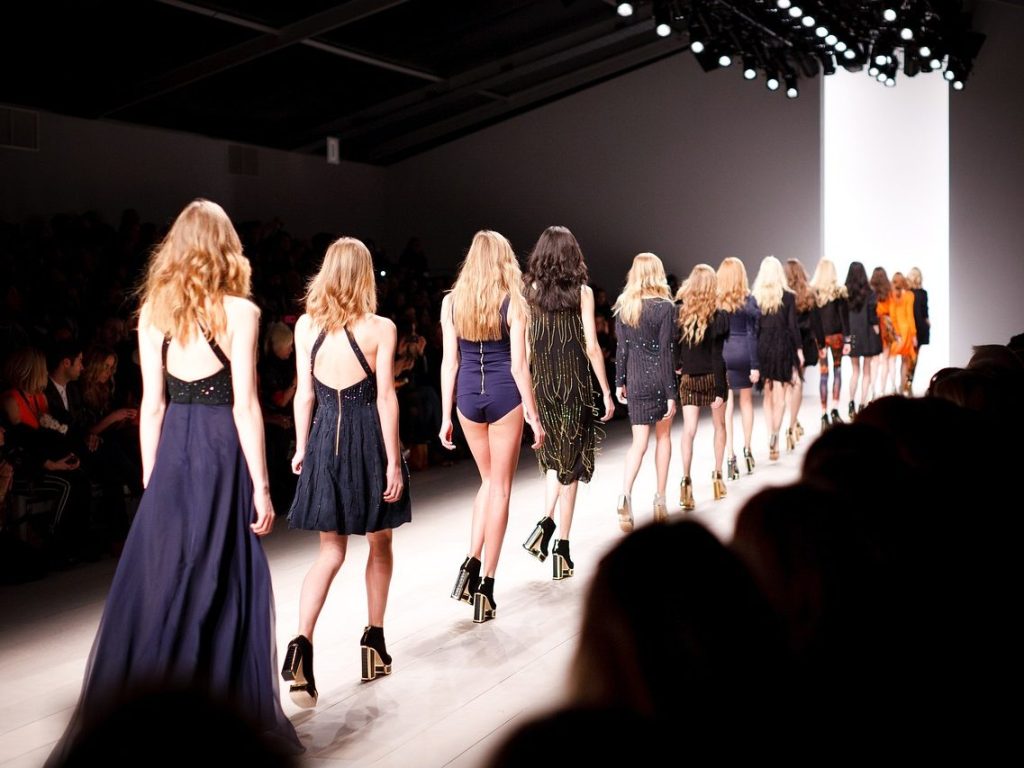
Image: Kris Atomic (Unsplash) via Wikimedia Commons




 HEX
HEX 
Leave a comment