Content Warning: this article includes reference to misogyny, racism, and domestic abuse within sports.
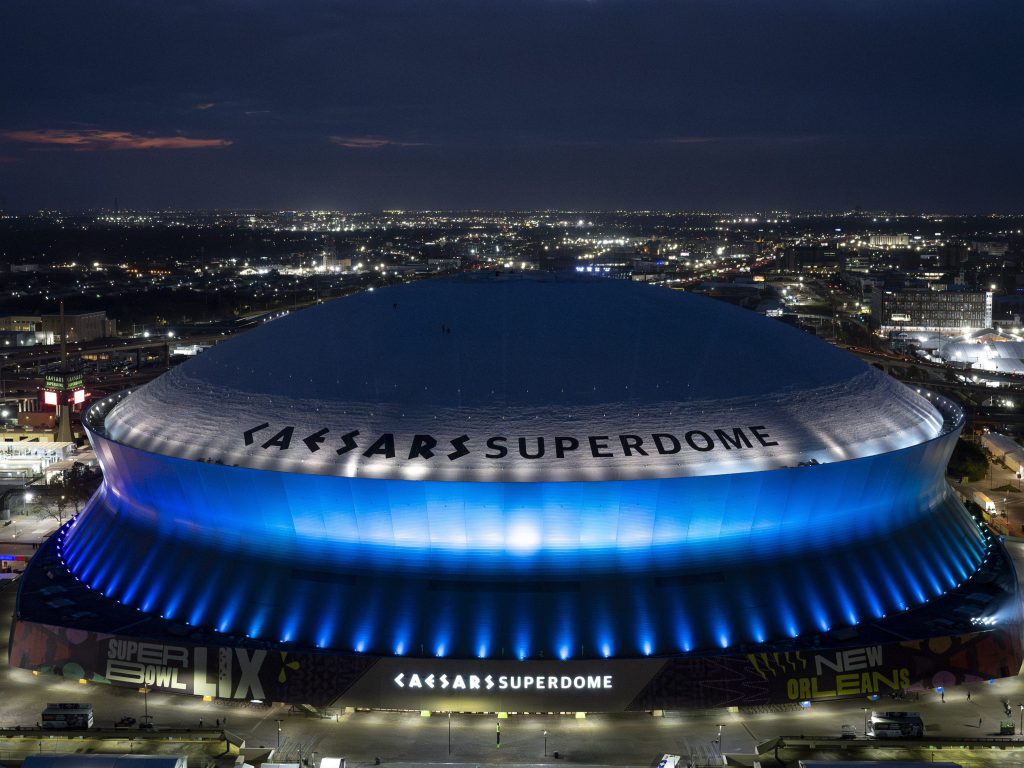
The Super Bowl was just a few weeks ago and was a massive blowout for the Philadelphia Eagles, who kept the reigning champions, the Kansas City Chiefs, from scoring until almost three-quarters of the game had passed. Jalen Hurts, Philadelphia’s quarterback, who was passed over in college and often regarded as mediocre, proved all of his haters wrong. Kansas City’s Patrick Mahomes fell apart under pressure to prove he was not the greatest of all time. The Eagles went home as conquering victors to a city that loved them.
However, Philadelphia was not the same city that the Eagles had left. Across the city, widespread out-of-hand celebrations broke out. People were climbing up street signs and traffic lights, and taking them down, carrying them off as trophies. Not an insignificant amount of businesses were broken into and looted. Fireworks were being shot off in the streets, at times into crowds, where several people were injured.
In short, Philadelphia was overrun by the city’s fans. They couldn’t handle winning. This is obviously a major problem—fans who cannot control themselves. Winning a game, even one as important as this, is no excuse to destroy anything or injure anyone. This is a problem that translates directly to English sports as well. We see the same in this country after football or rugby matches. The statistic that domestic abuse increases after the English National Team plays, win or lose (it increases by 26% when they win and 38% when they lose), is often floated about with no real anchor.
But this is something that needs to stop. All too often, in the UK, “football hooligan” is thrown around as a joke, but it really is a thing that society needs to help fight against. Destruction after winning should not be ignored for being ‘celebration’ and violence after a loss should be considered violence in any context, not just ‘blowing off steam or anger’.
Sports are more real than many people realise, and the actions we take surrounding them affect lives, livelihoods, and sometimes, even society at large
The Super Bowl also highlighted another problem in sports—misogyny. Taylor Swift was shown for under 15 seconds the whole game, a typical amount for a wife or girlfriend of a player, but was booed throughout the stadium. Even as someone who isn’t a fan of her music, I can’t understand the booing, especially for how little she was shown. She is internationally famous and the girlfriend of Travis Kelce, Kansas City’s chief players. It is little different to Serena Williams being in the halftime show.
Additionally, she became the target of several uncouth bets. Some were harmless in name, like bets on how long she would be in the TV broadcast. Others were misogynistic, with alleged bets on how much cleavage she would be showing. After the game, social media exploded, offering up the idea that she would leave Kelce for Cooper DeJean, a Philadelphia cornerback who was critical to the Eagles’ victory, and one who happens to be white—a fact that many of these posts focused on, being a mix of misogyny and racism. In any case, Swift has not been treated fairly at all by NFL fans, a fact with little to do with anything but her gender.
I love American Football and the NFL. I love sports in general, that’s why I write these articles. But there is no excuse for some of this behaviour. Whether sports fans are hurting people and looting business after a big game, or expressing misogyny while watching games (and I fear that a lot of that misogyny will be passed on to younger friends and/or family members who are watching too), this all has to stop.
Sports are more real than many people realise, and the actions we take surrounding them affect lives, livelihoods, and sometimes, even society at large. So we need to treat them well, treat them seriously, and be the best fans we can be.
Image: DHS Gov via Wikimedia Commons




 HEX
HEX 
Leave a comment